First of all – do not visit a Ryokan without getting to know the procedure of this fantastic Japanese tradition… I had always dreamed of visiting one, but had not done it since I knew it is a strict form of accommodation in form of routines, which follow an exact timetable. To me, deliberately stretching the timetable of a Ryokan just based on the fact I am a paying guest, would be very impolite. On our visit to Nagoya and Osaka in February 2014, I had however found an interesting hotel in Japan trough a service I am a member of – SLH Small Luxury Hotels of the World. It seemed just what I needed, a quiet place in the middle of nowhere; some time for serious relaxing. Also I had previously been visiting only big cities in Japan and wanted this time to see something new.
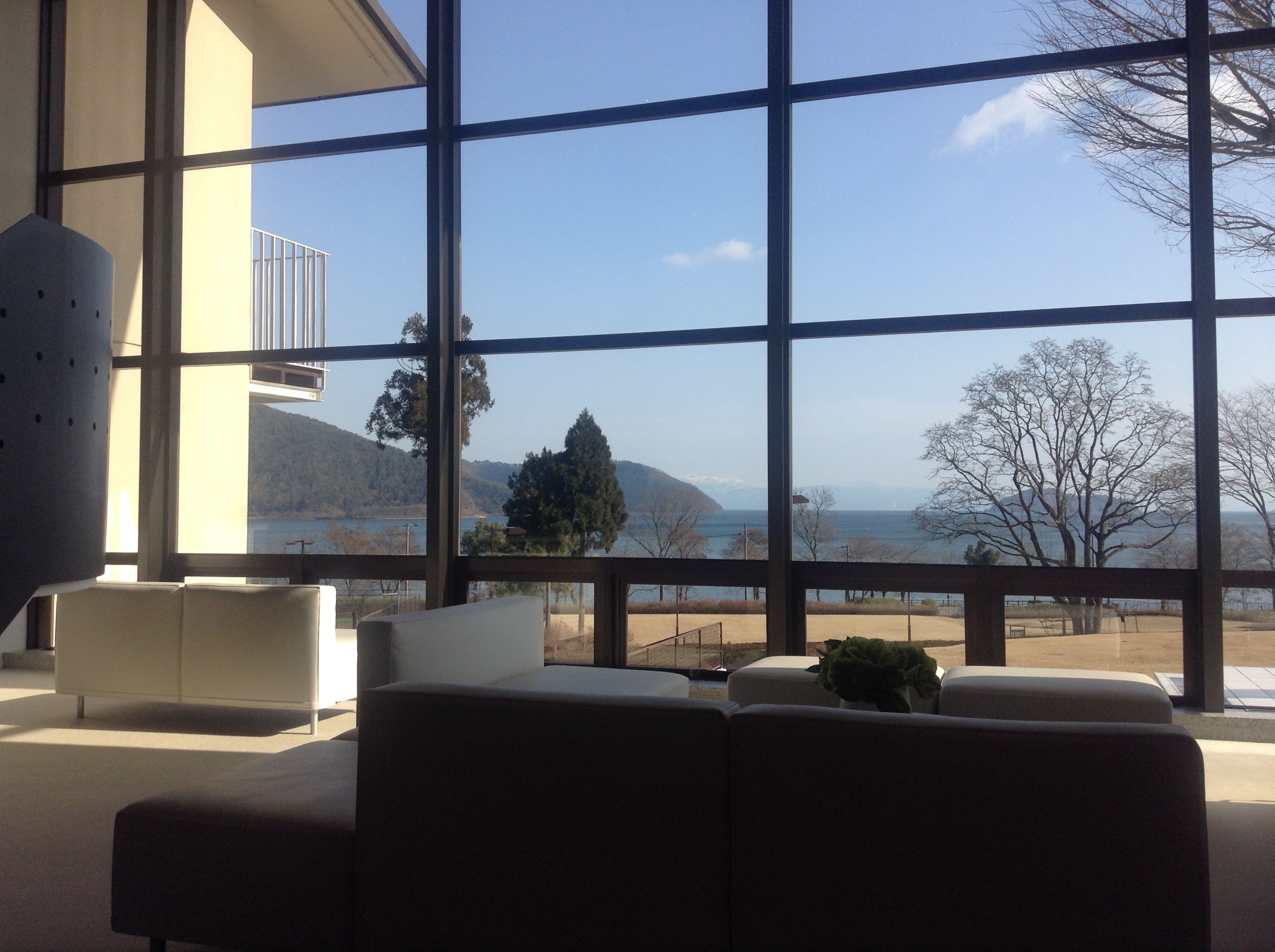
Hotel du Lac (as the name itself points out) has a connection to France – that was the cuisine. This is a modern Ryokan and does not stick to the traditions too strictly. We had taken a flight to Nagoya and stayed a night there. From Nagoya we took a Shinkansen train to Maibara and changed there to a local train towards Omishiotsu.
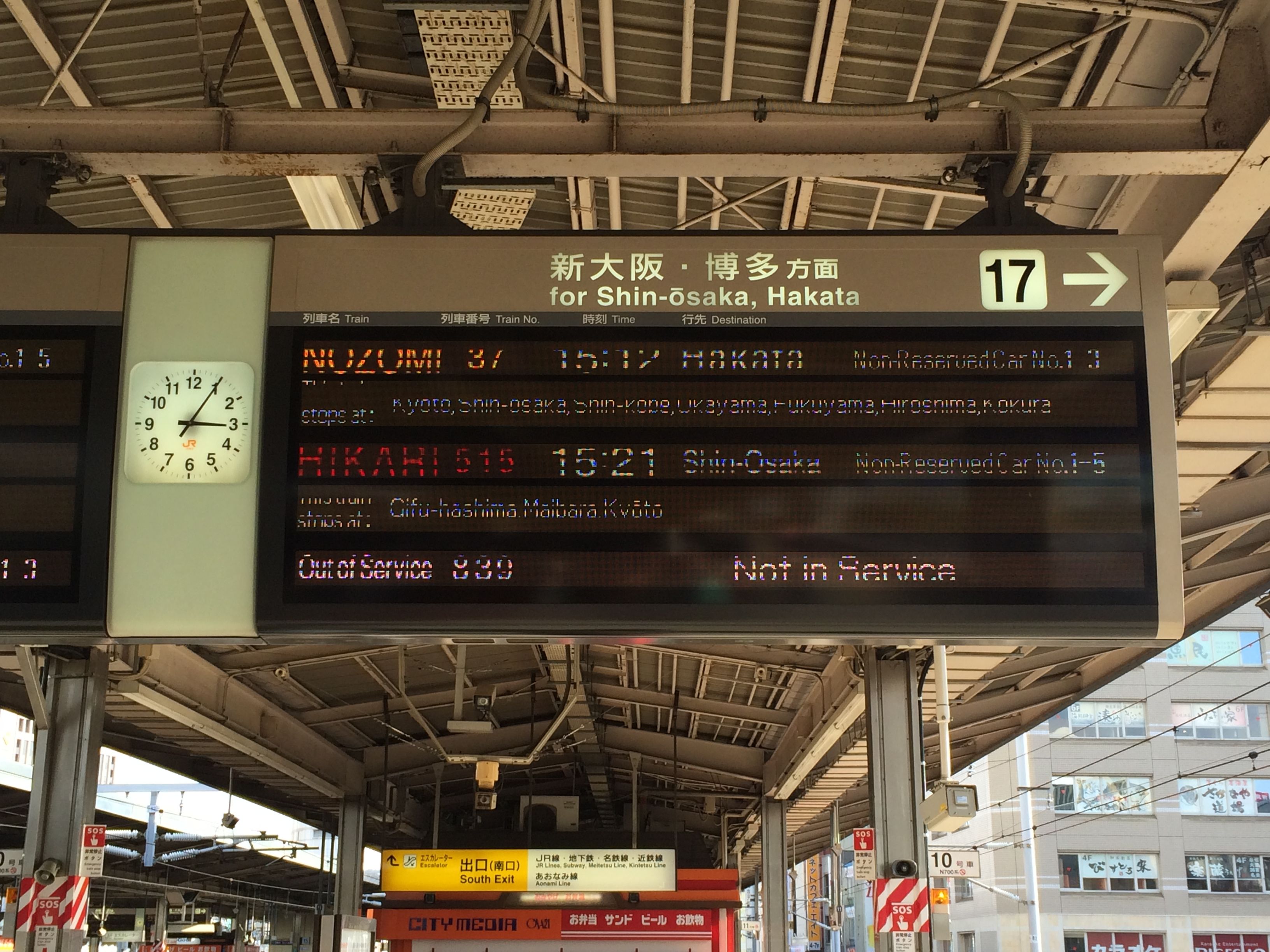
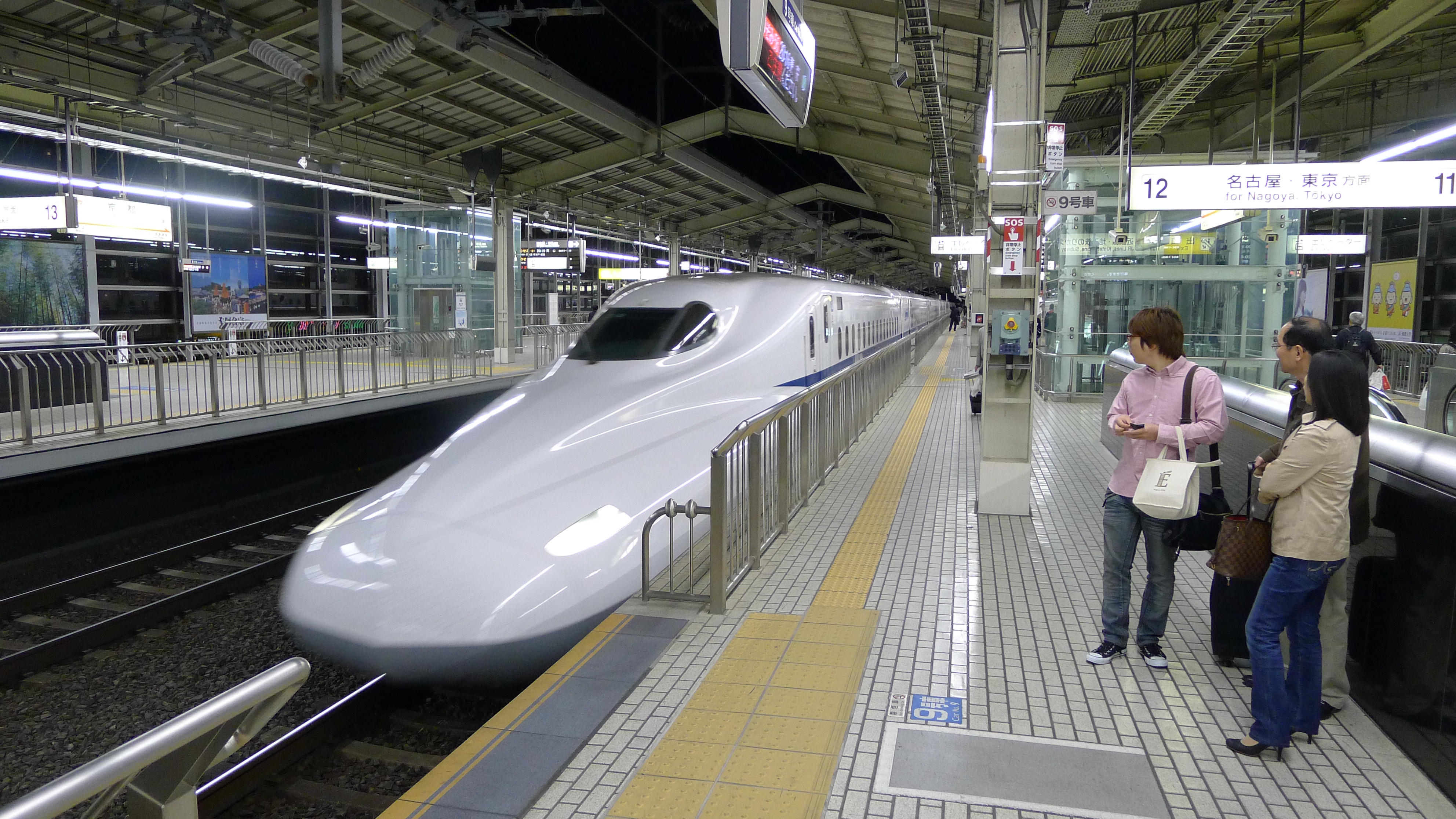
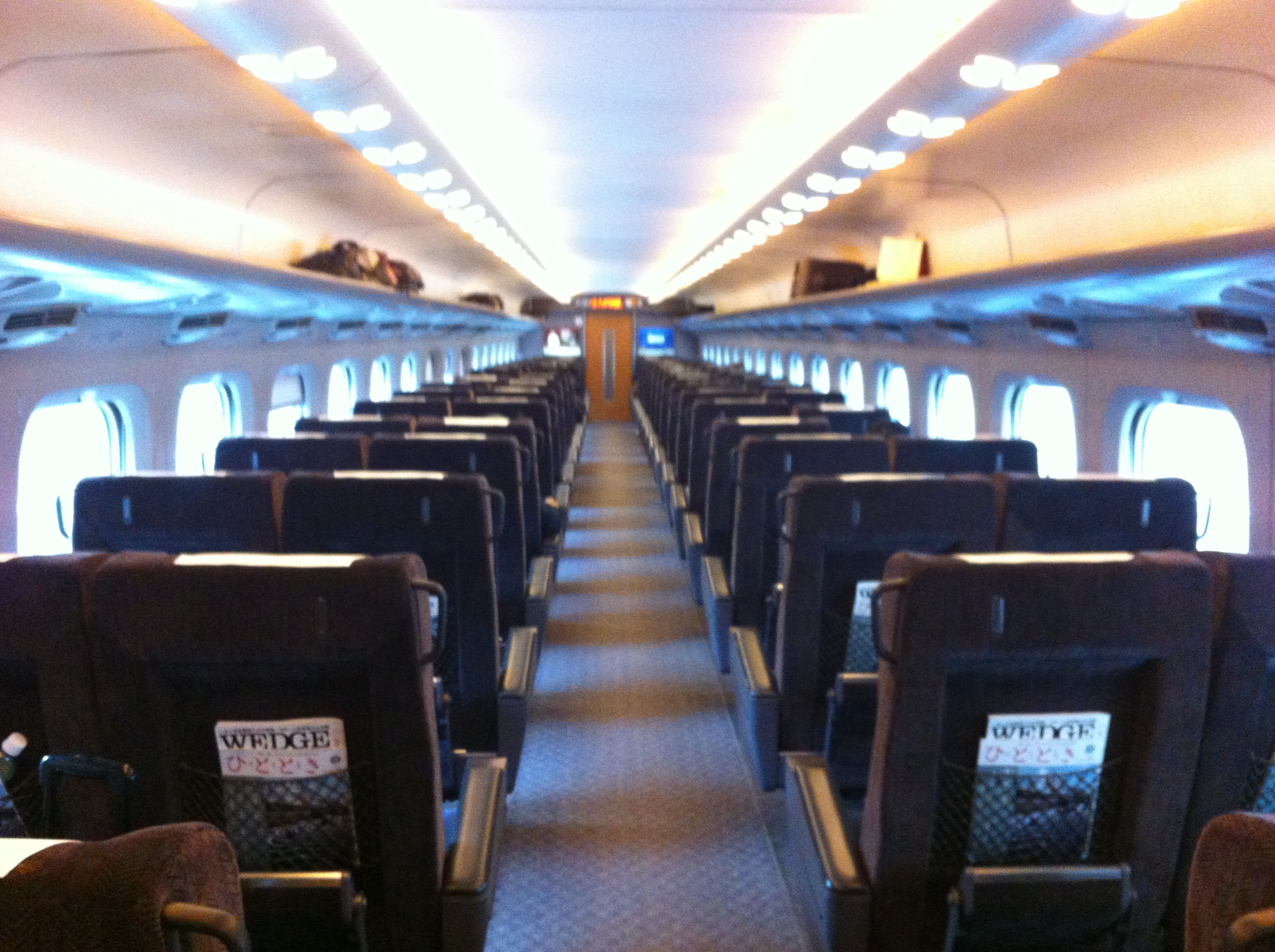
Around the Nagahama station I realised that as I had never been to the countryside of Japan, my presumption of taking a taxi from the Omioshiotsu trainstation to the hotel might not have been the most efficient solution. I ended up calling the hotel and found out they were extremely worried as it was already past 3 pm and I had not informed our arrival time. Ryokan lesson nr. 1 – the check in is at 15:00 and arrival to train station at 14.30. Most Ryokans have a transportation included and you should arrive on time and inform them your time of arrival.
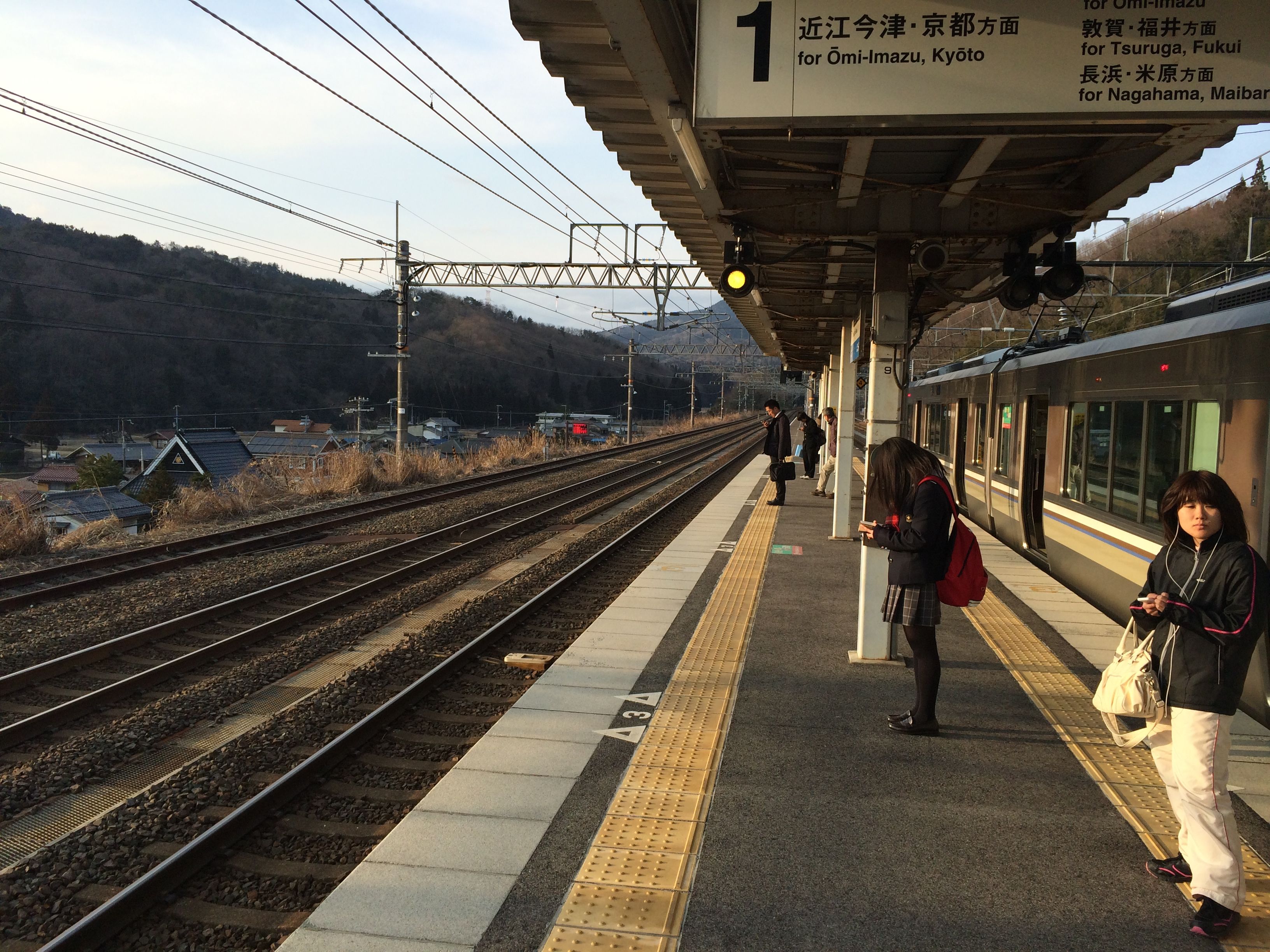
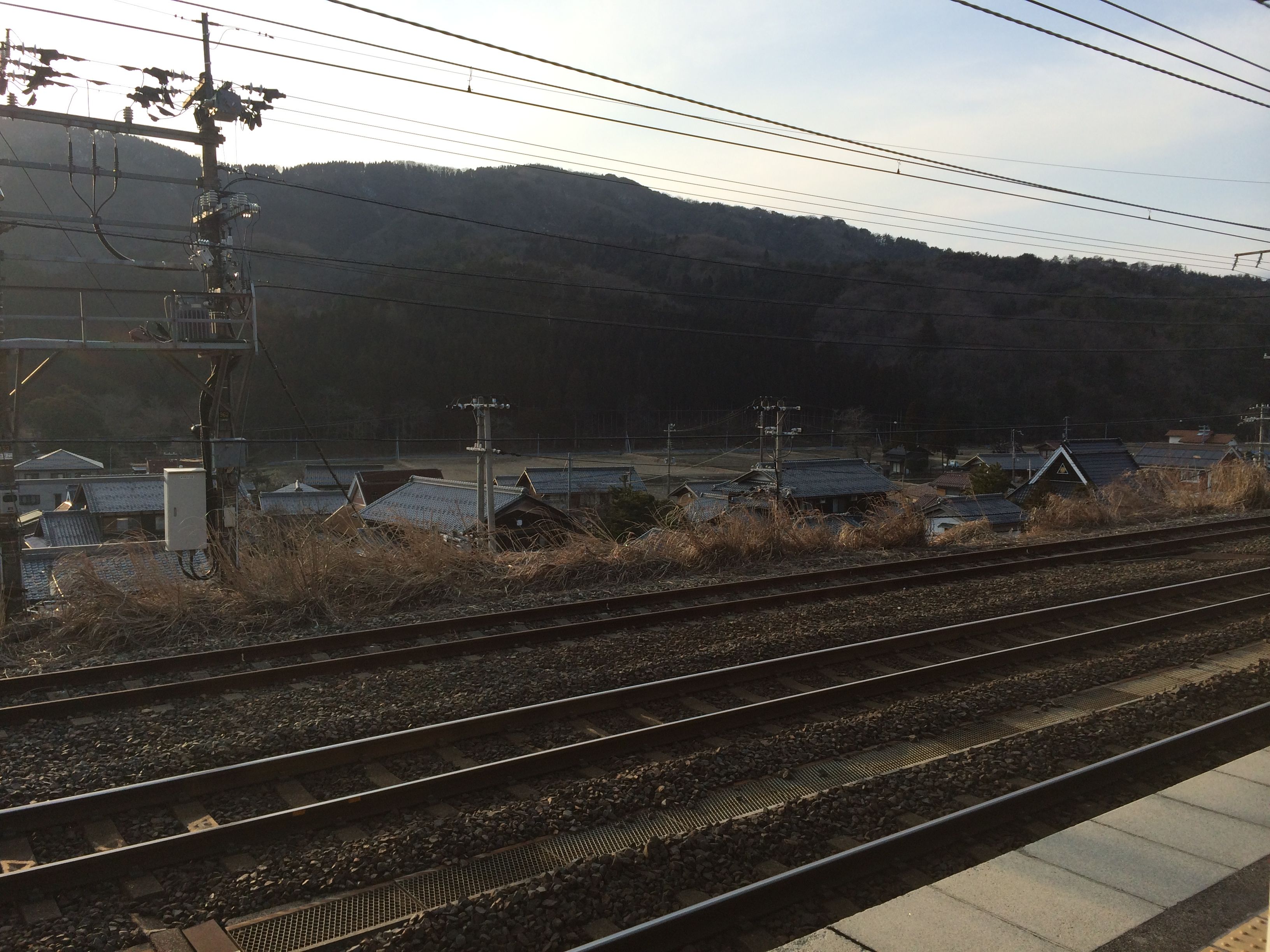
After me causing our Japanese Ryokan hosts a little arrhythmia by informing a bit late about our arrival to Omishiotsu station, I was extremely happy that they would anyway meet us there – even a bit delayed as they regretted, even if it was entirely my fault. When stepping out from the train to a ghostlike train station with a fantastic nature surrounding it and a reverberating empty quarry just at sight, I realised I had just run into a new dimension of my travels to Japan.
Just as our astonishment started to calm down, our hosts came in running up the stairs to the platform. This was being delayed in Japanese terms – the Ryokan manager must have been driving like a F1 star all the way. On the way to the Ryokan, I could not refrain from sighing for the beauty of the surrounding nature. And apparently the Ryokan manager could not stop wondering how on earth these Finnish tourists had ended up here.
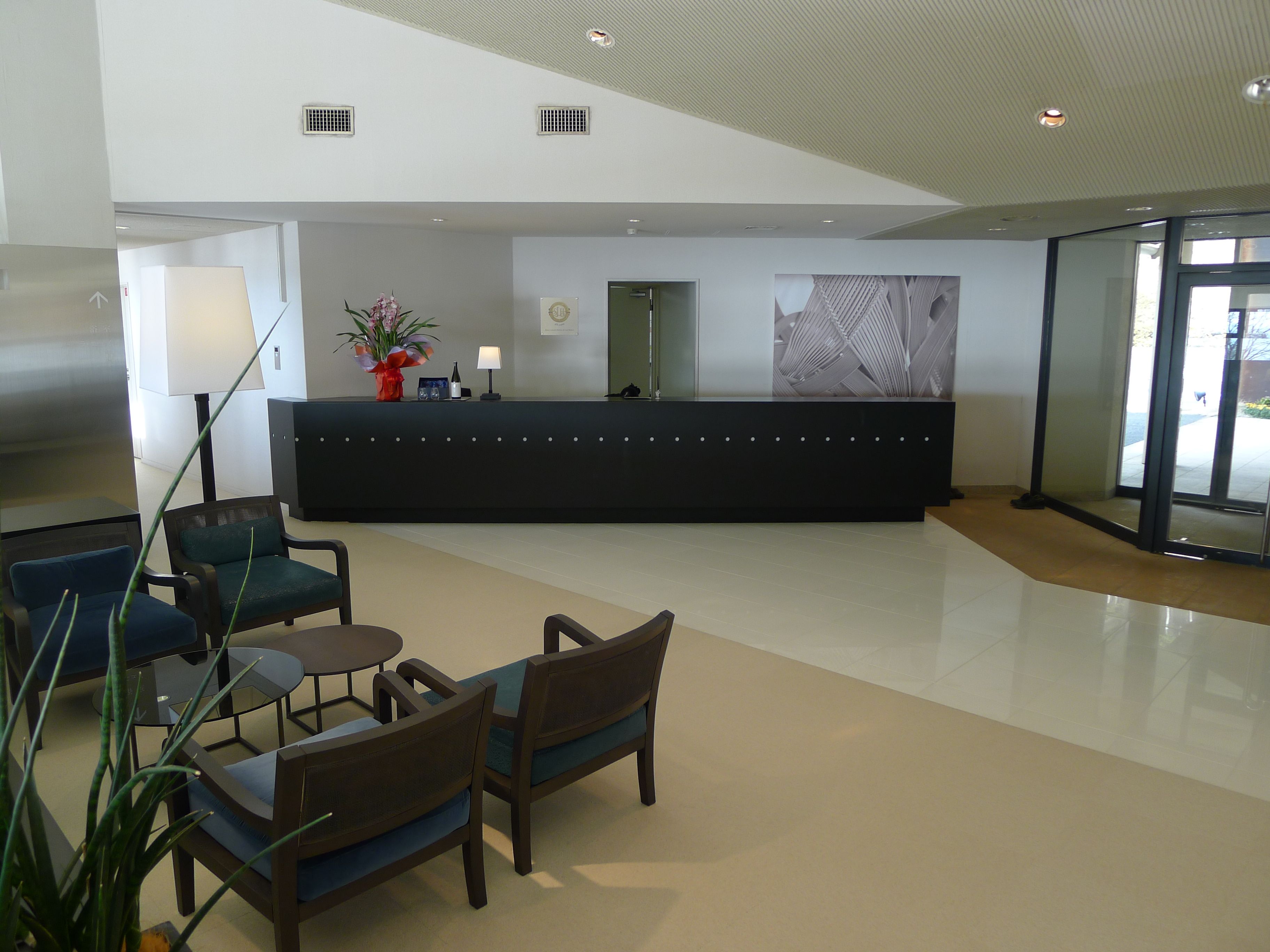
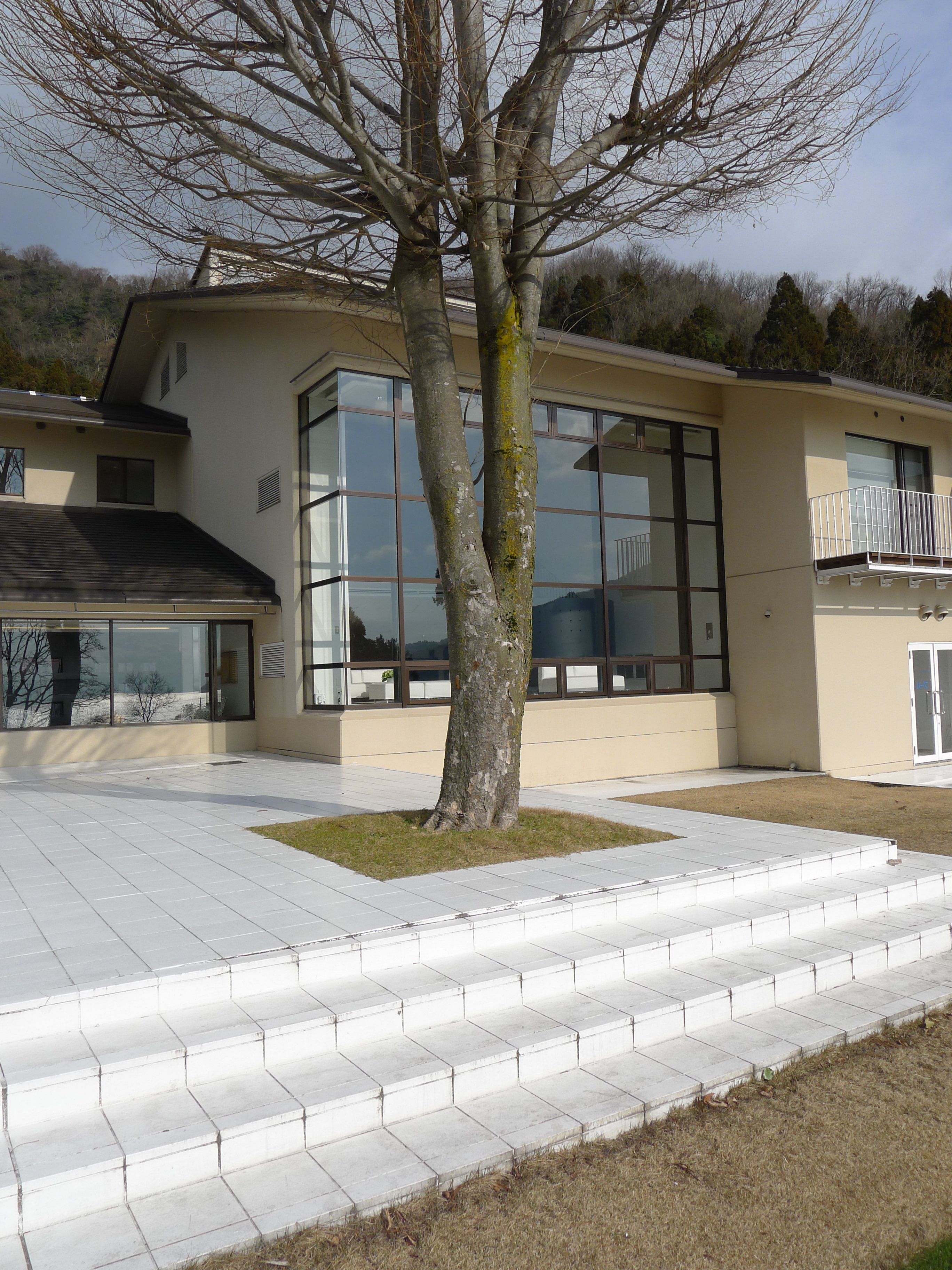
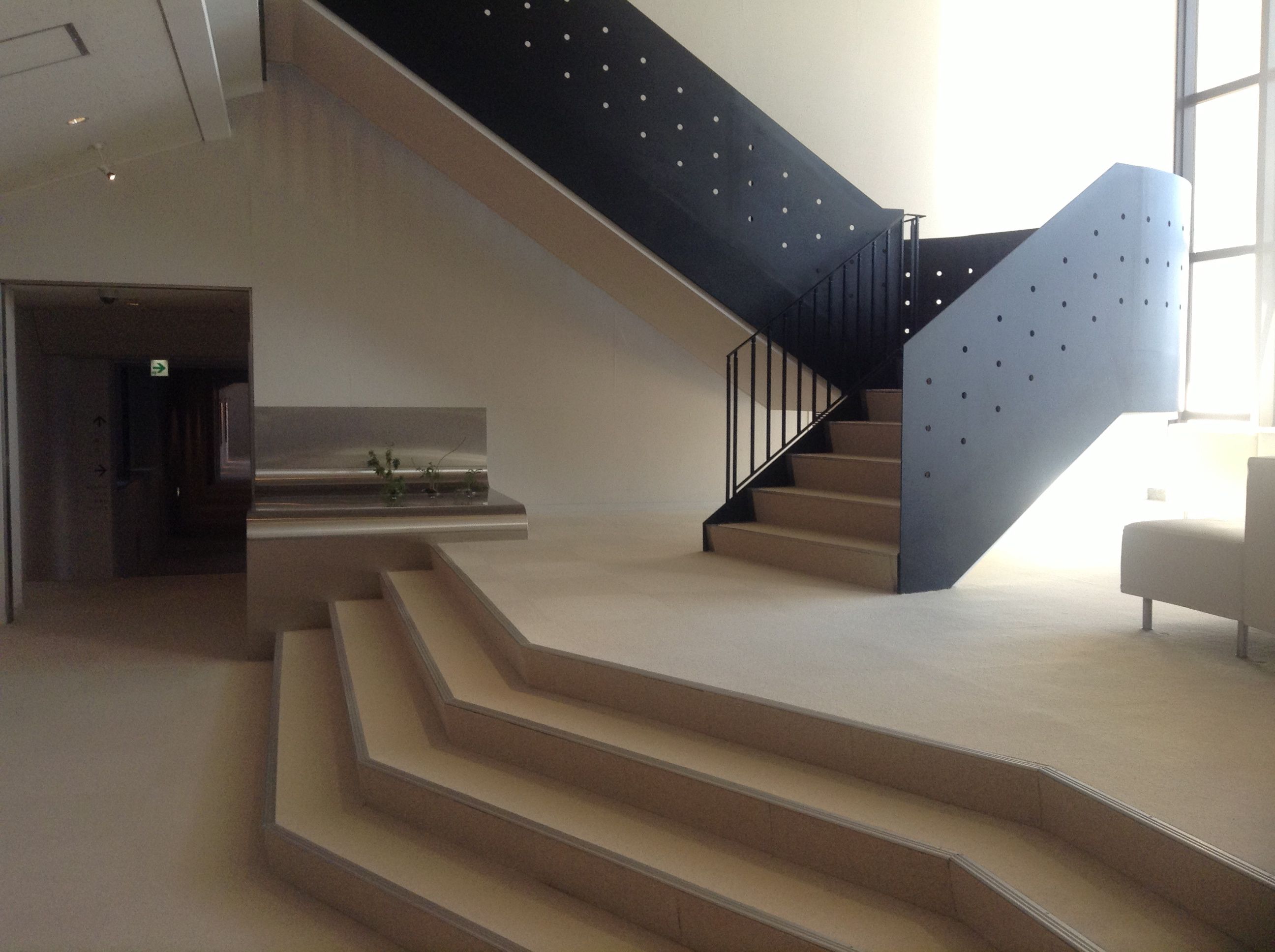
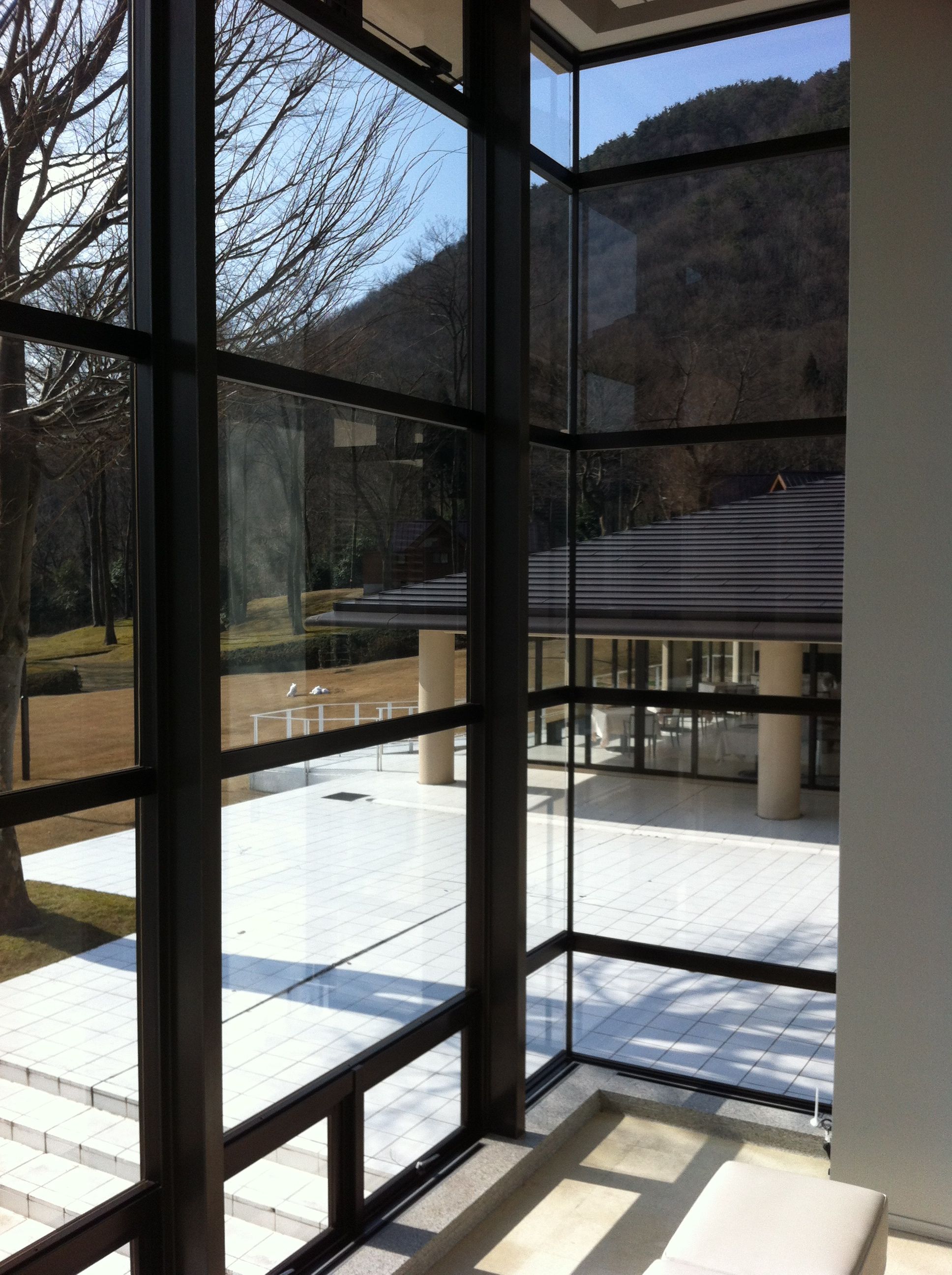
In principle a Ryokan has no reception even if this one had one; instead the guests are directly taken to their accommodation. Hotel du Lac has some hotel rooms in the main building and in addition some cottages.
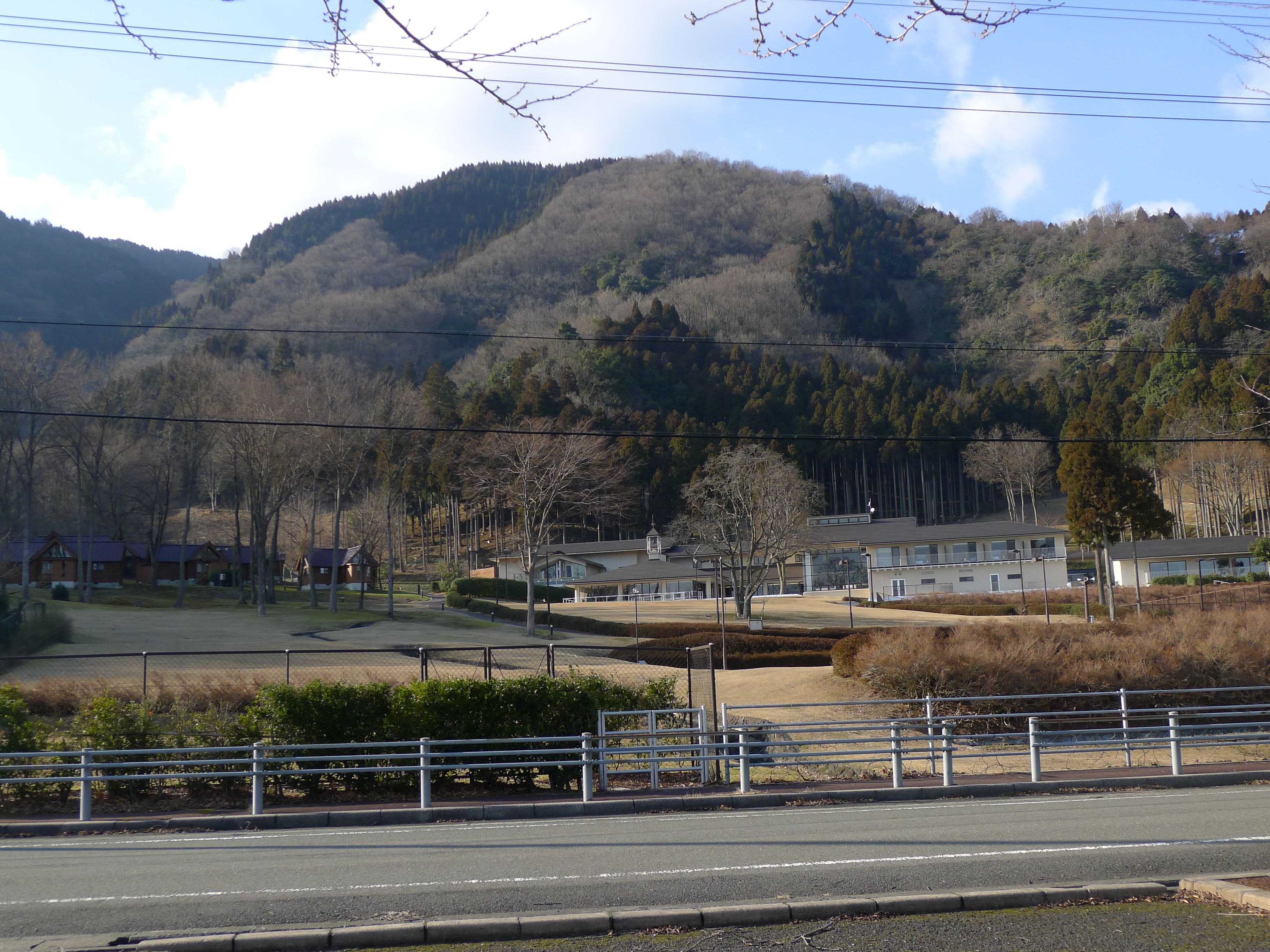


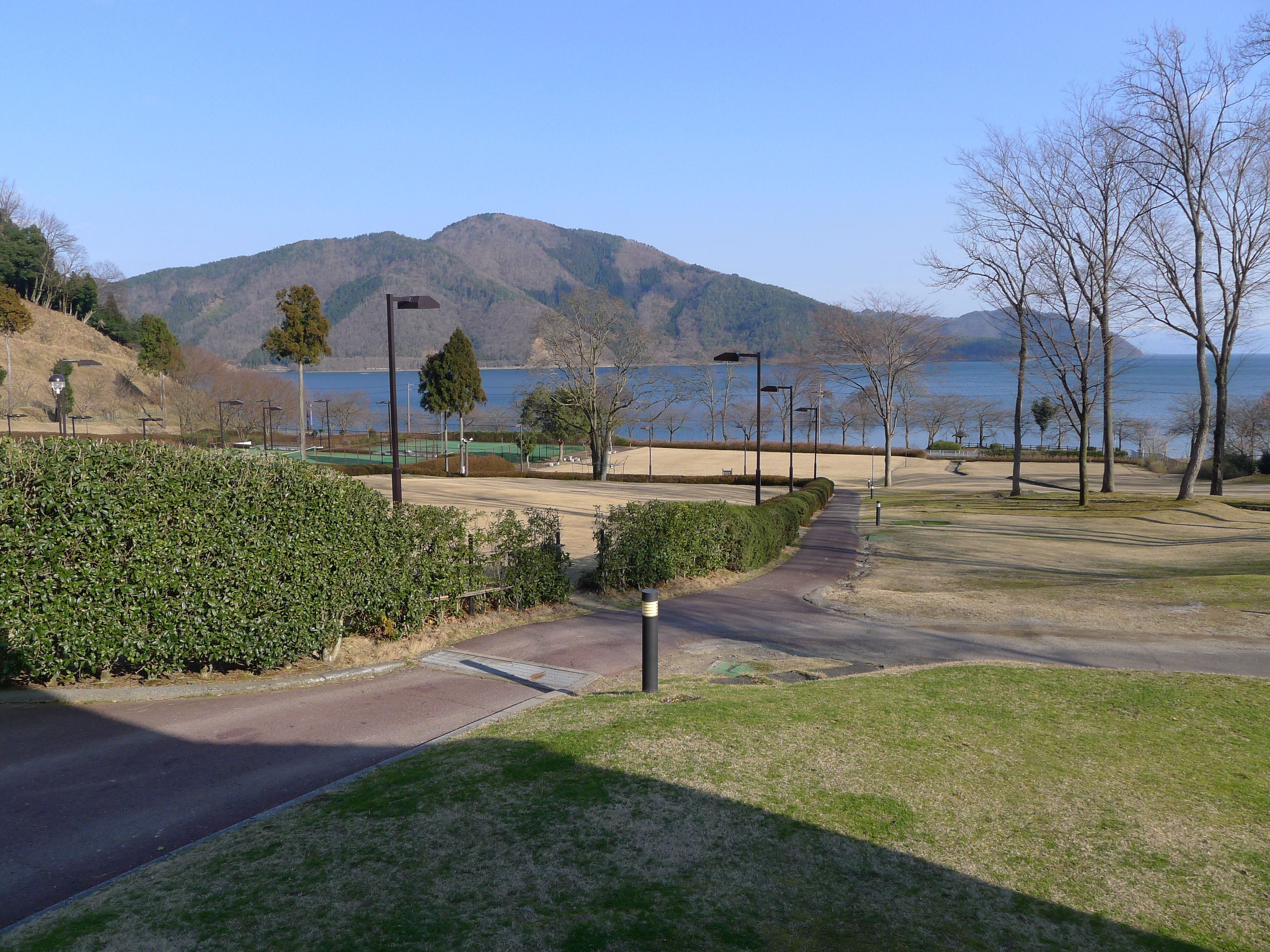
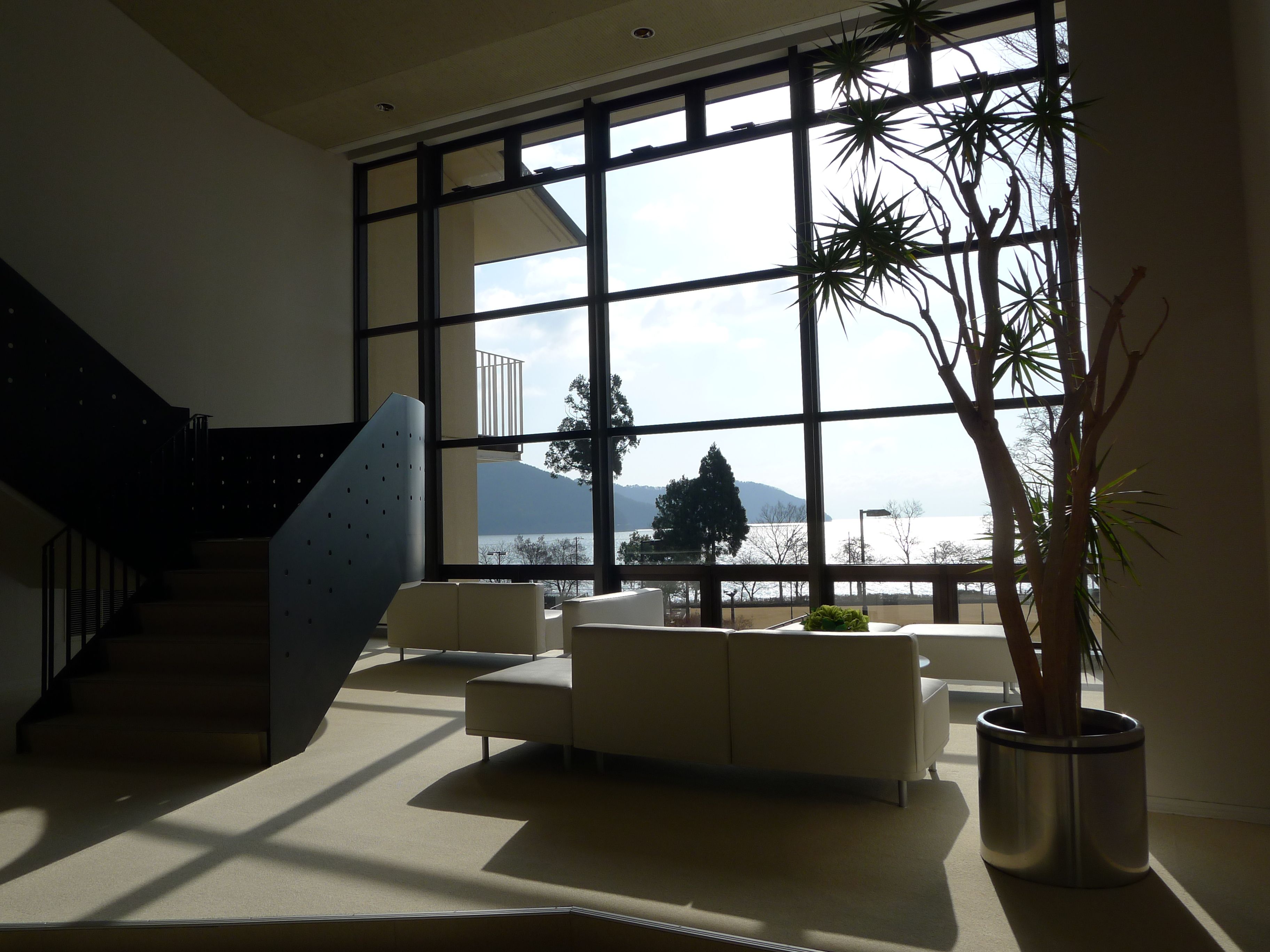
We were taken to one of the cottages, named Como. I had been hoping for an Asian style cottage to be honest, but did not want to confuse things further. I did not quite understand the beauty of our residence in the first place as I felt having ended up to a Finnish summerhouse on the shores of Lake Biwa, but I did find the beauty of it all later on and for sure left a piece of my heart there…

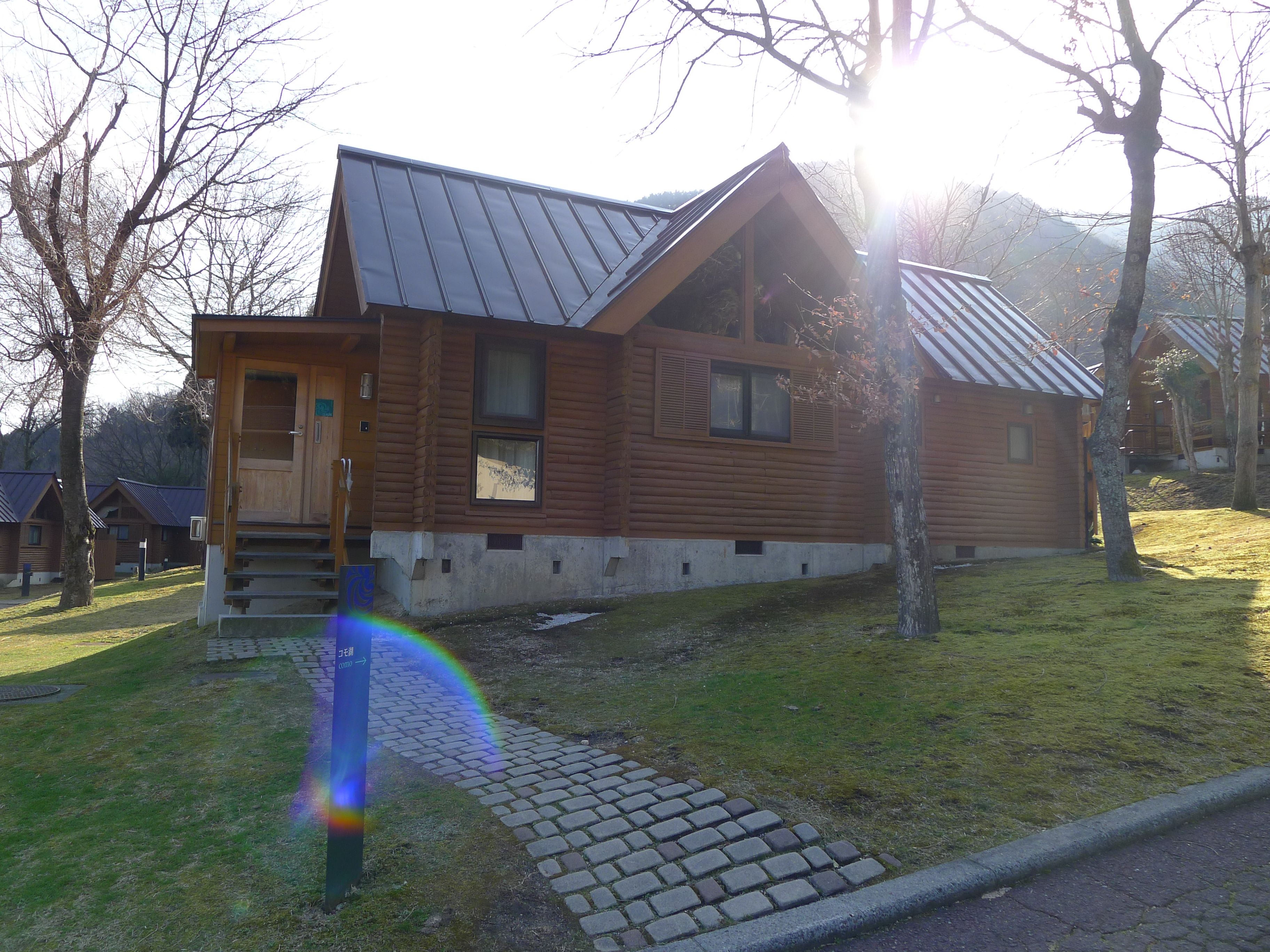
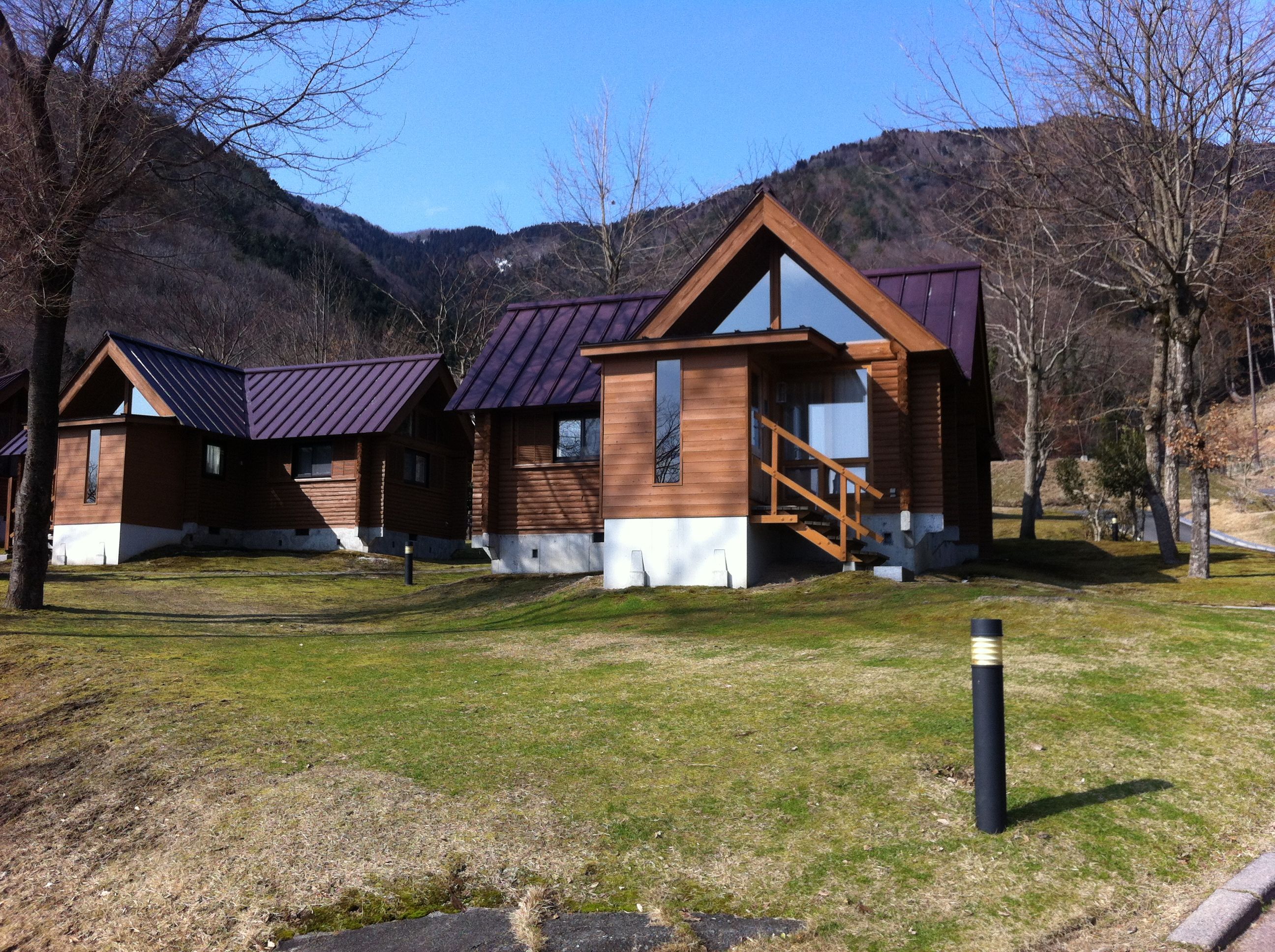
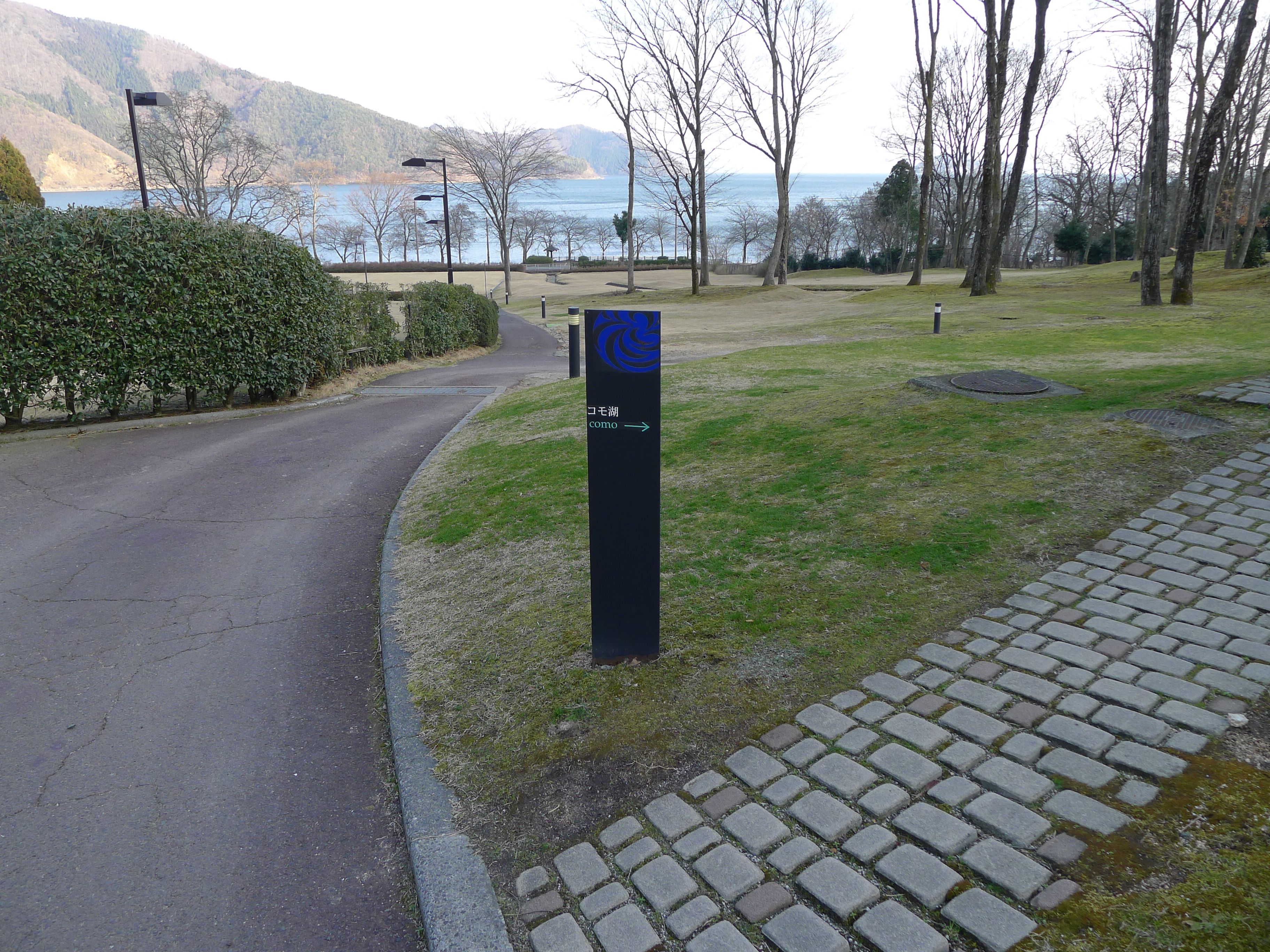
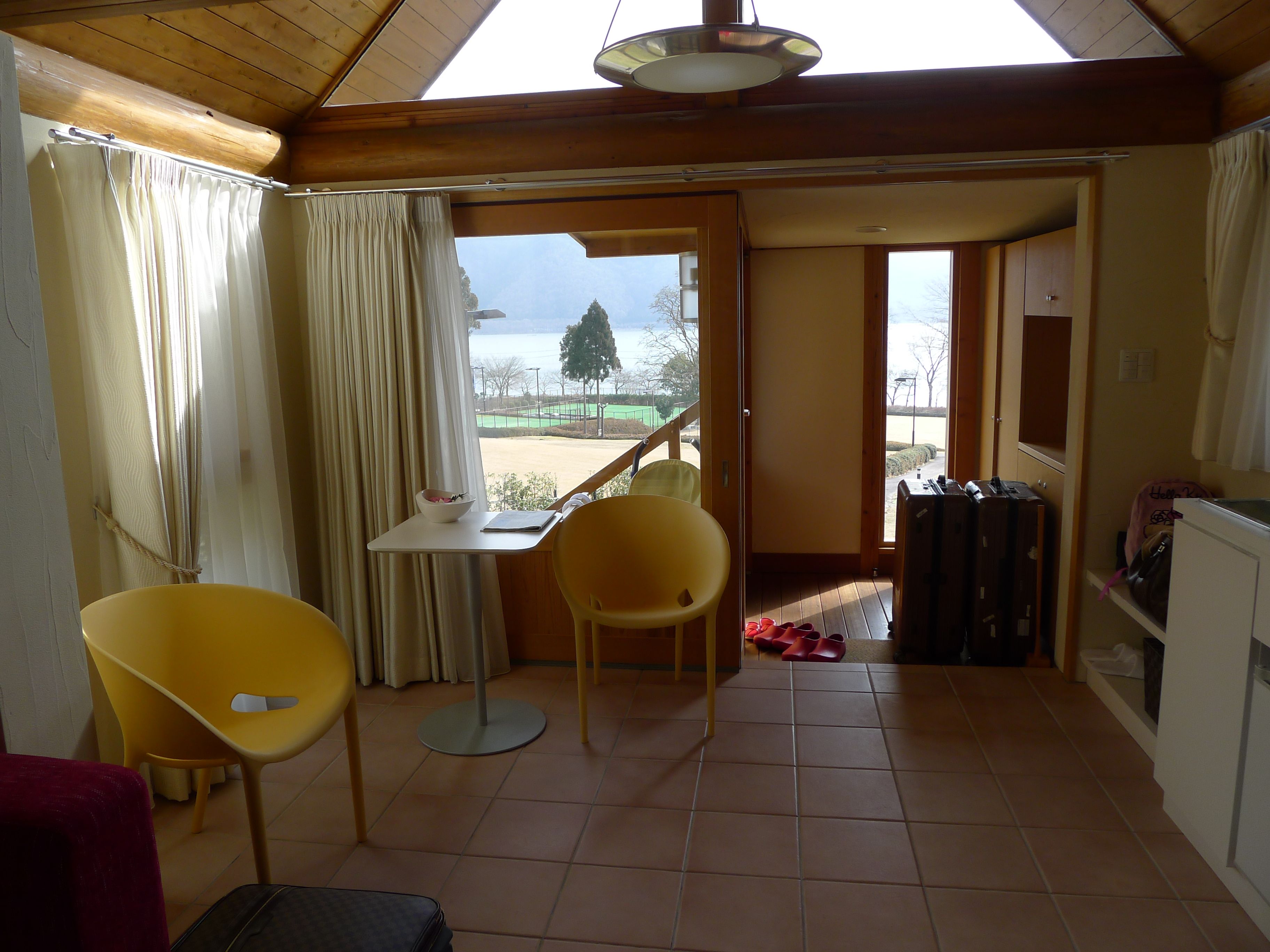

Ryokan lesson nr 2 – never enter the main room with your shoes on and never place your luggage, handbags or anything on Tokonoma (an alcove built into the wall and used for placing flower vases and hanging scrolls). In Hotel du Lac, there was another special advice for guests – if you see a stinkbug, do not touch it but instead call the reception and they will take care of it. Oh boy, being a Finn I had to google what is a stinkbug, as I had no idea!
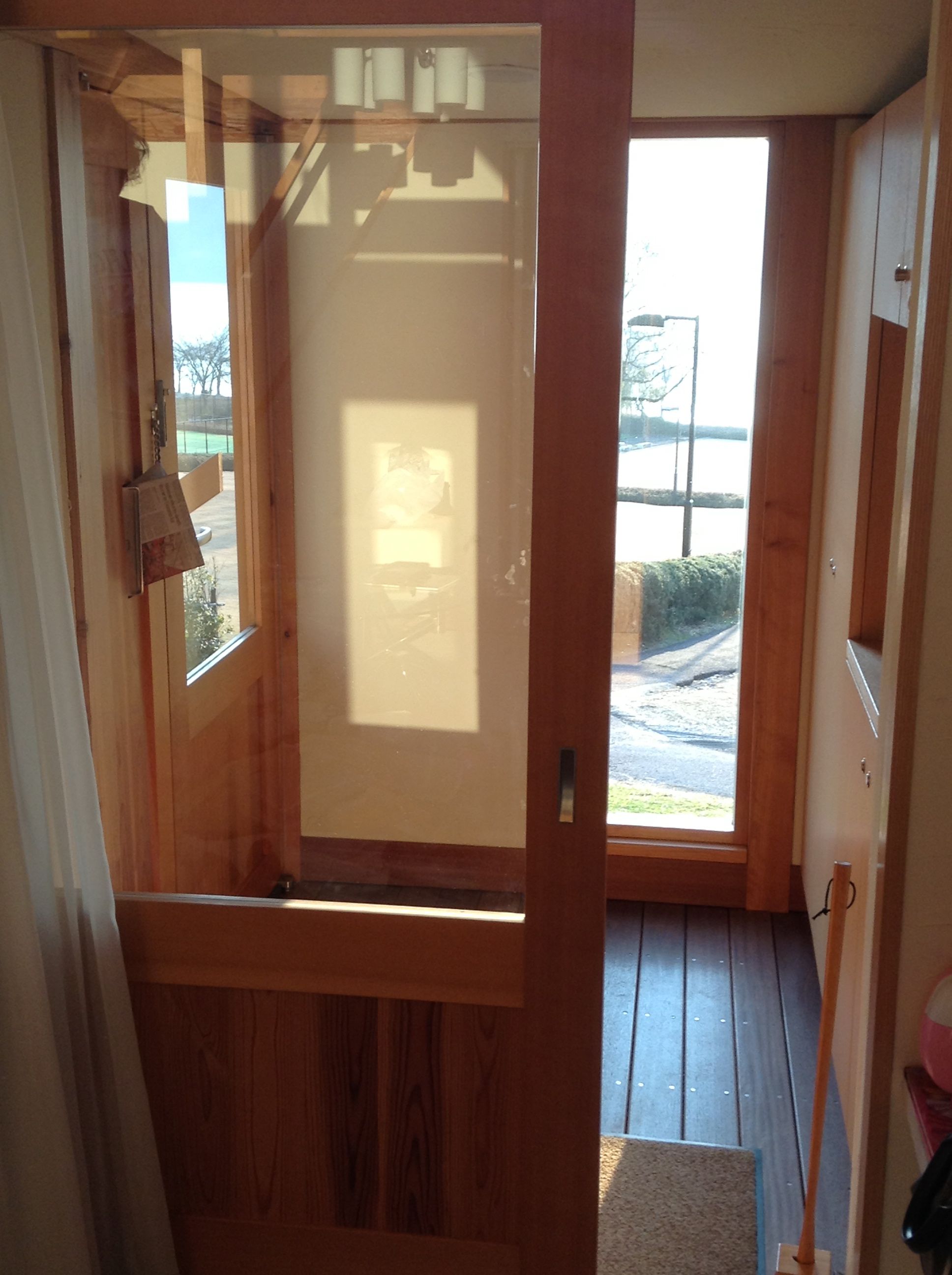
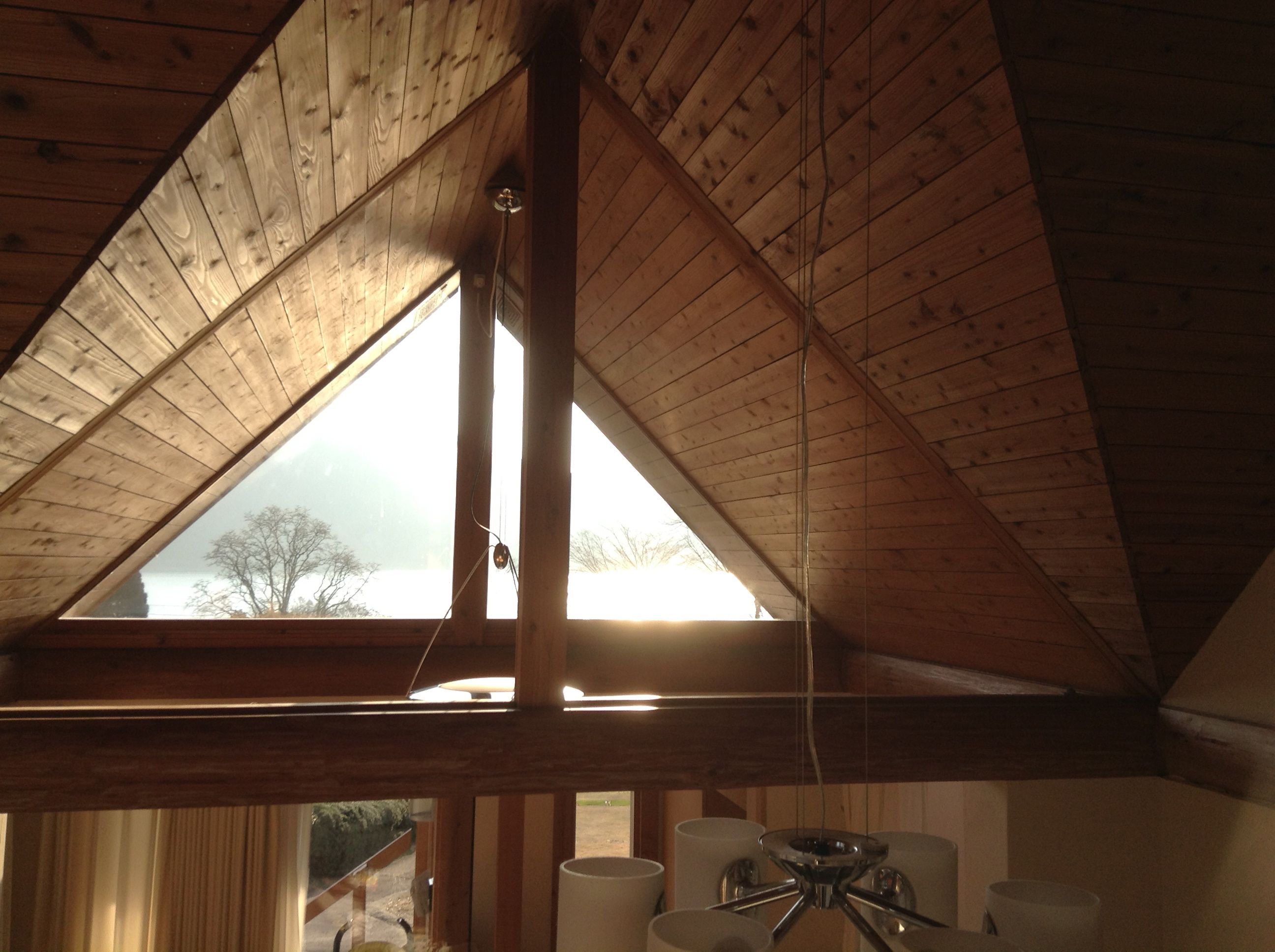

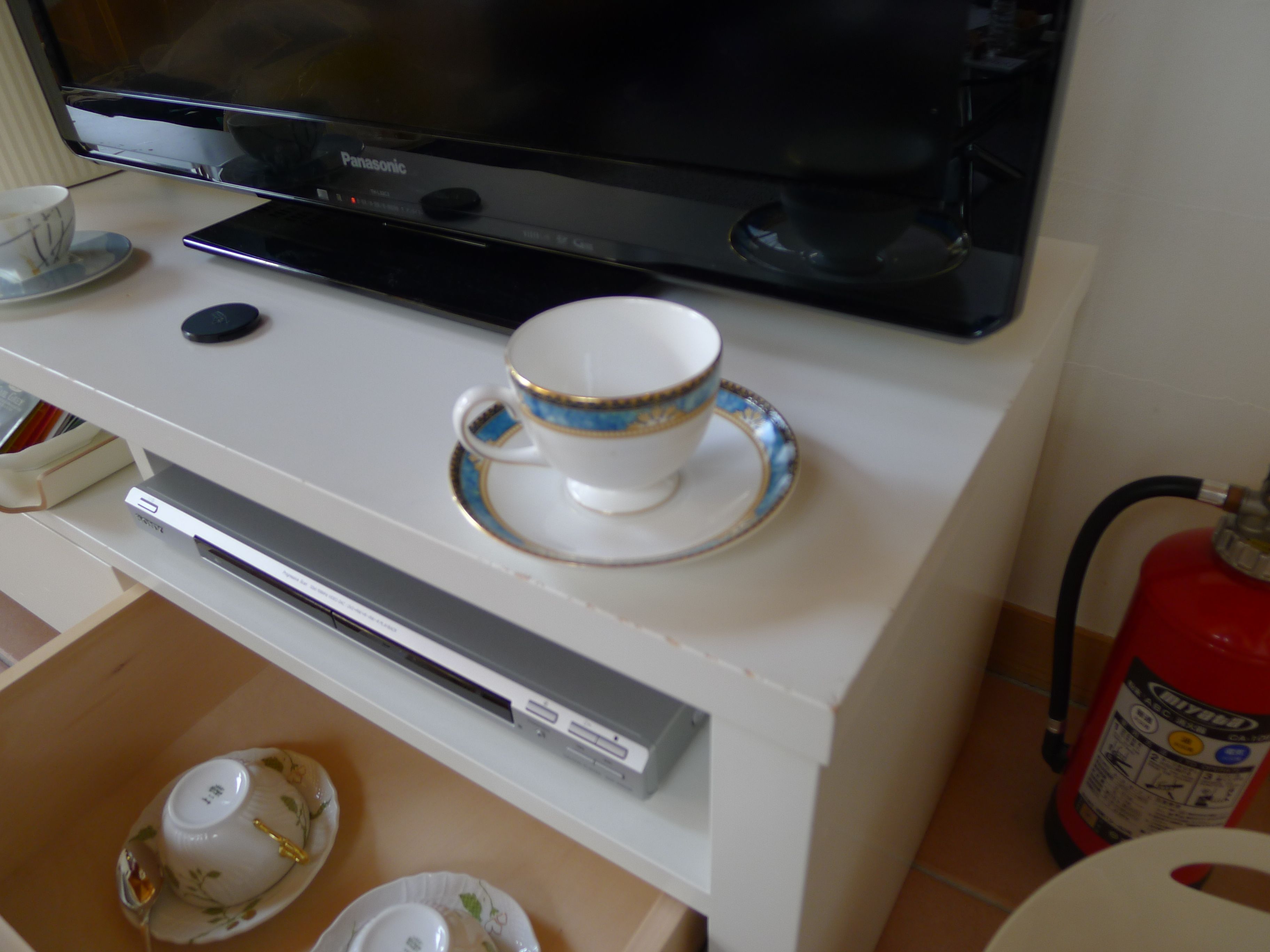
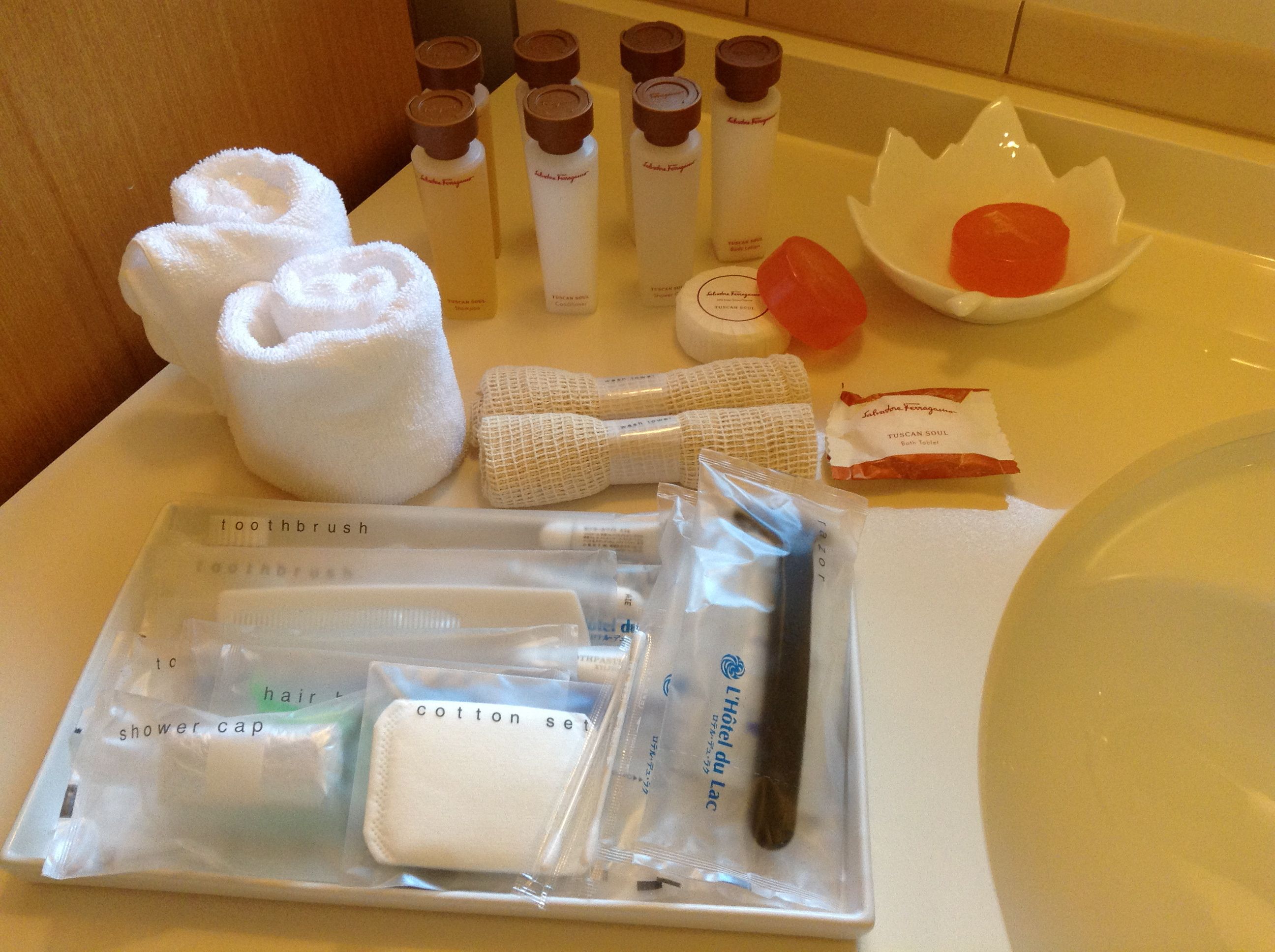
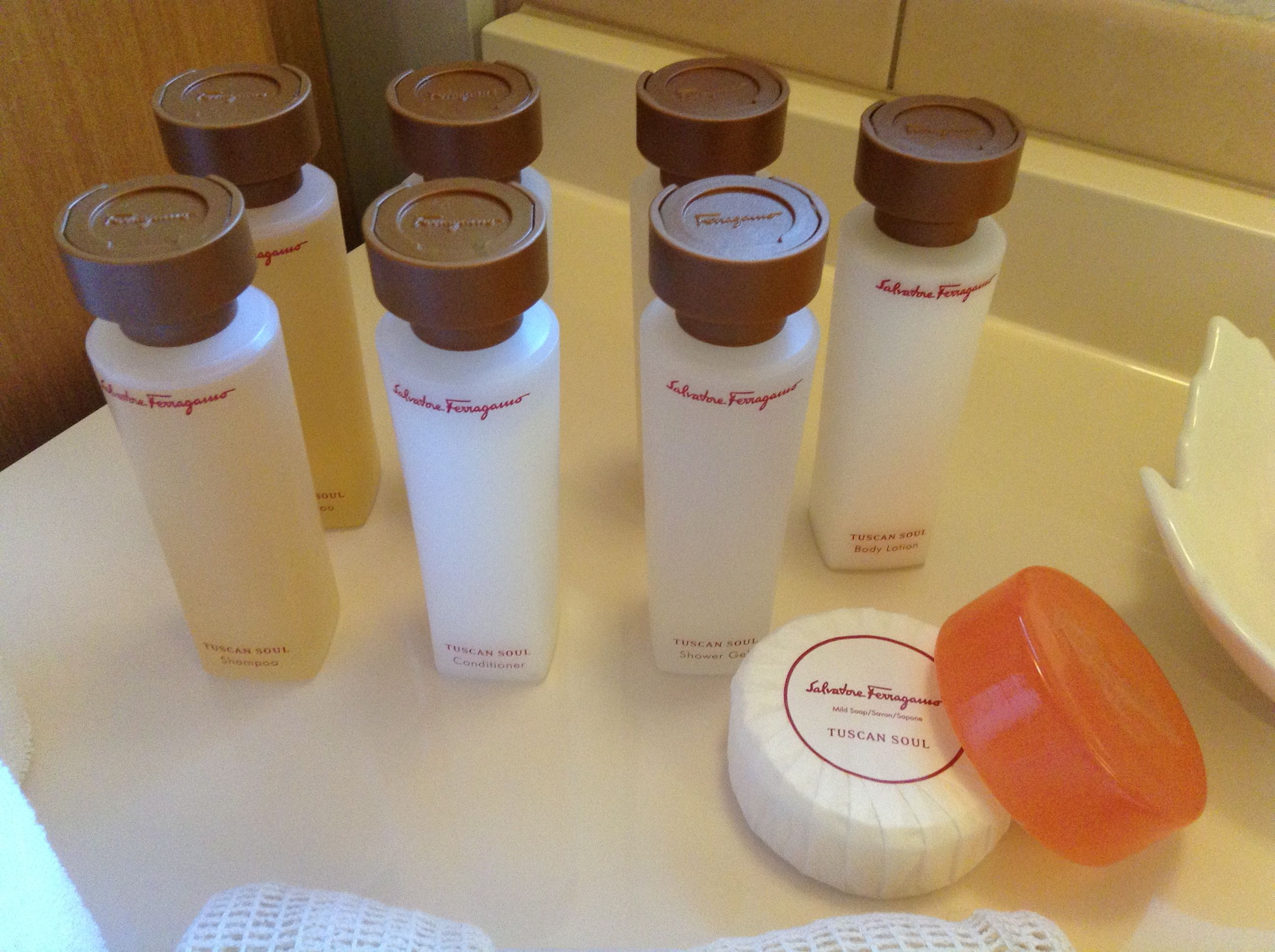
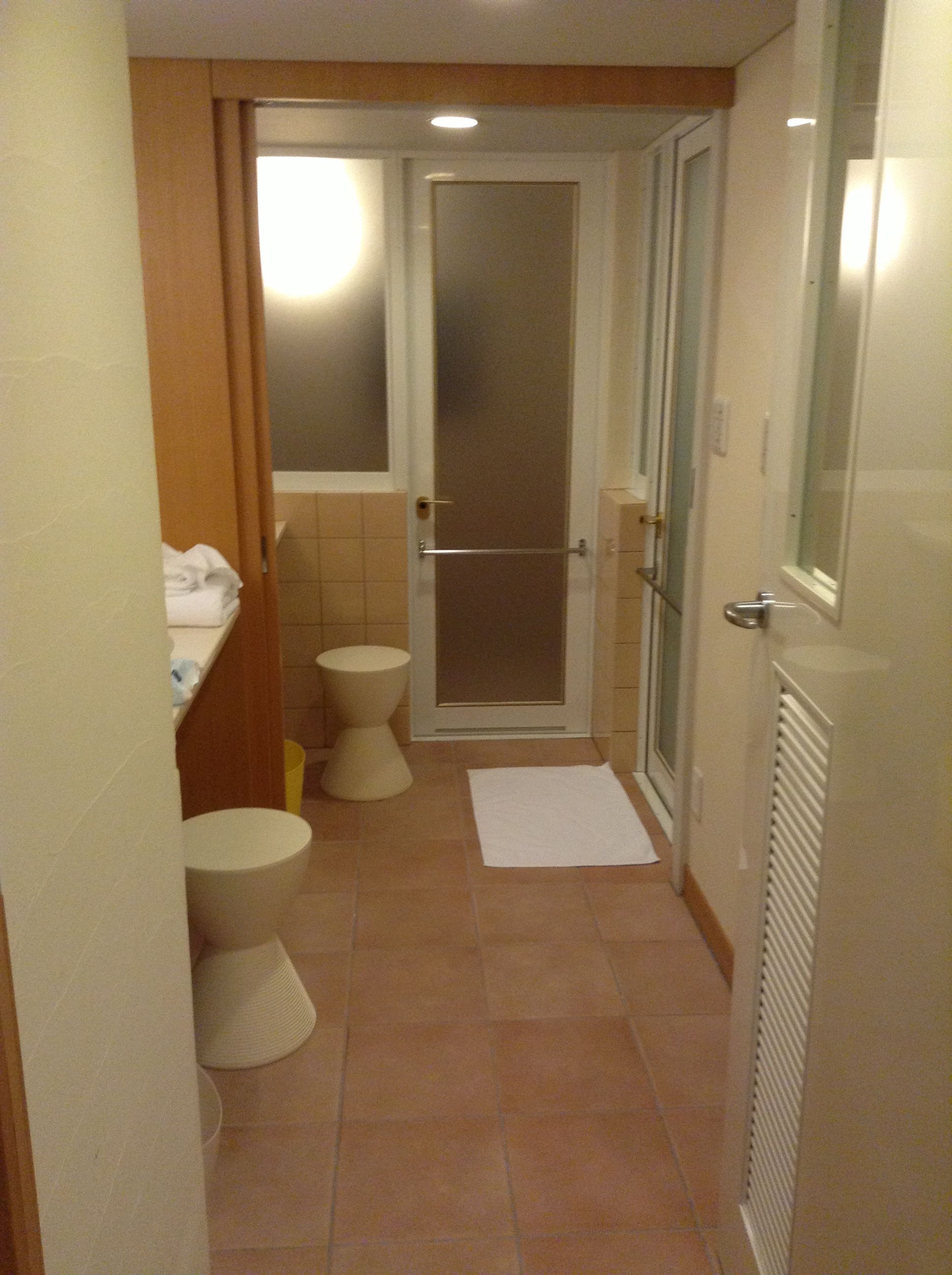
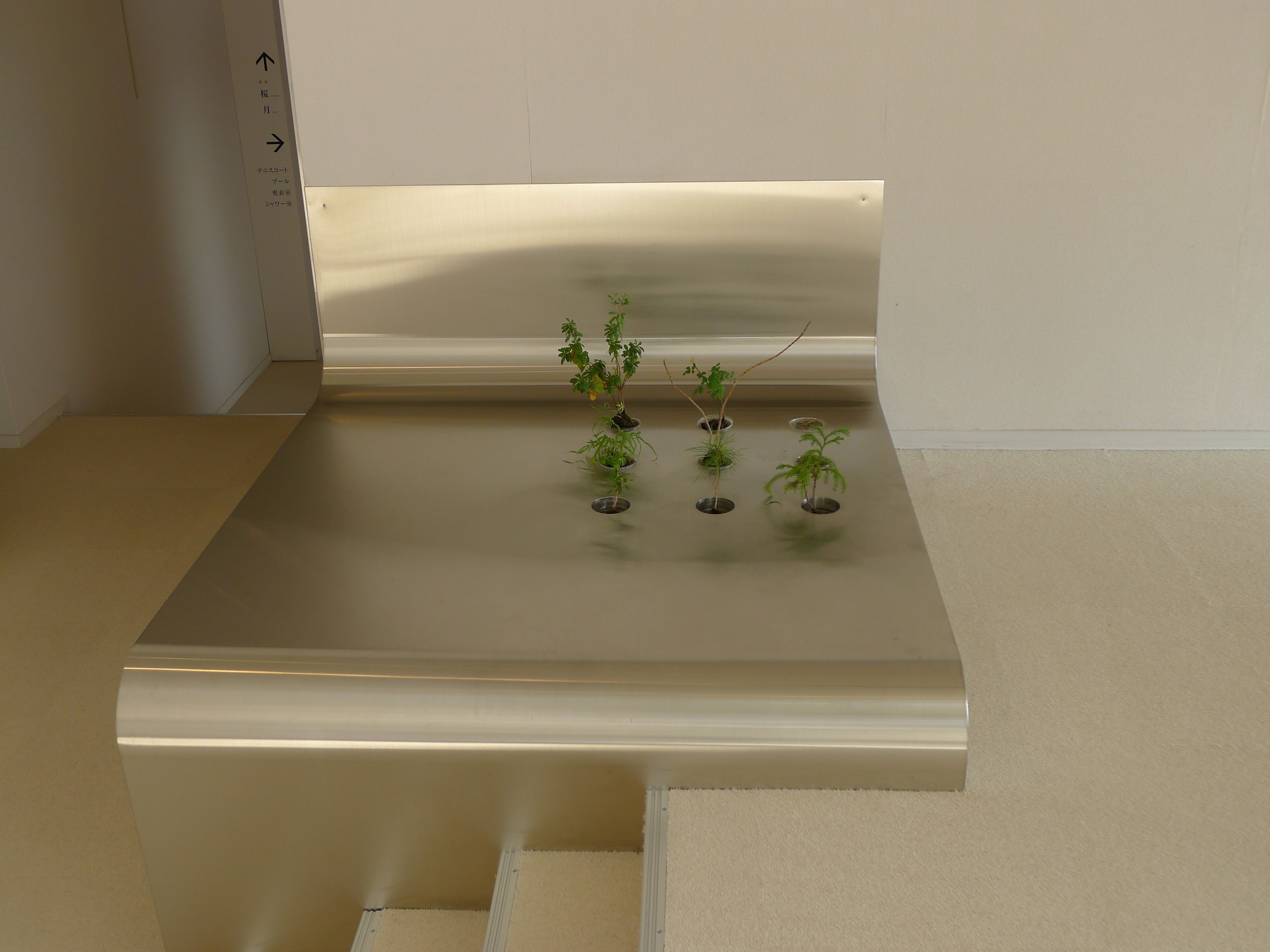
After thoroughly getting to know our “habitation to be for the next 48 hours” and discovering that there was a thorough thought behind the whole Como suite with Philippe Starck’s Prince stools, Wedgewood teacups and Salvatore Ferragamo bath and shower commodities, I started to unwind.


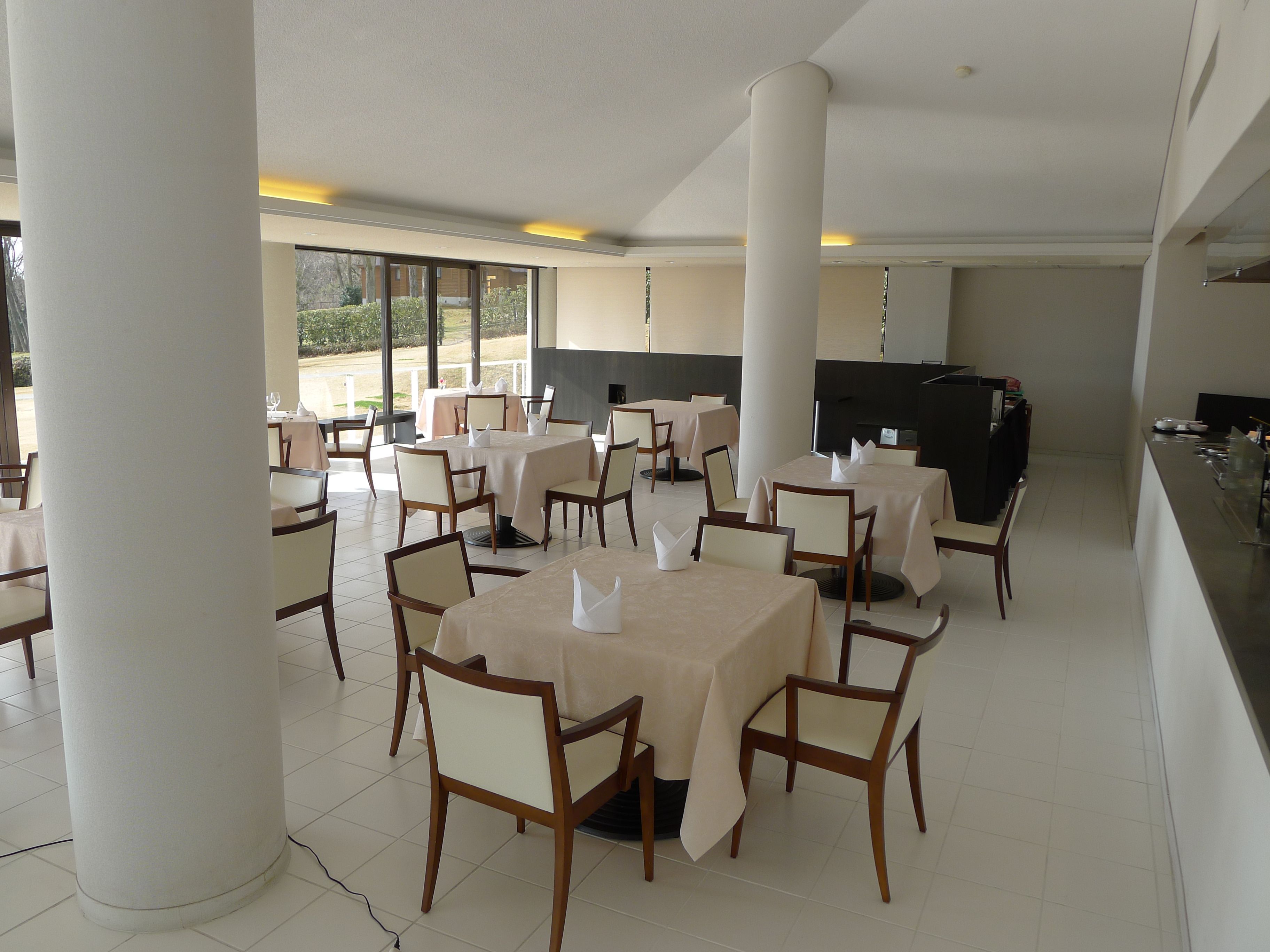
We had been told that the dinner would be served in the main building at 19:00 and that we should use the “Crocs like” slippers provided by the entrance of the cottage to make our way to the main building. Easier said than done as I had been appointed the slippers size 38 instead of 41 and my husband the size 42 instead of the 45 needed… I had a feeling that we should be punctual with the dinnertime, even if we still were under the impression of being in a normal hotel. After arriving to the main building for dinner and being seated into our table, we received a nice surprise – a free class of champagne for SLH members. The dinner was – as it usually is – included in the room price and we were given the (promising) set menus for the evening. The wine selection was astonishing and so was the food. The local Omi beefsteak must have been the best beef I have ever had, even the best I have had in Japan.

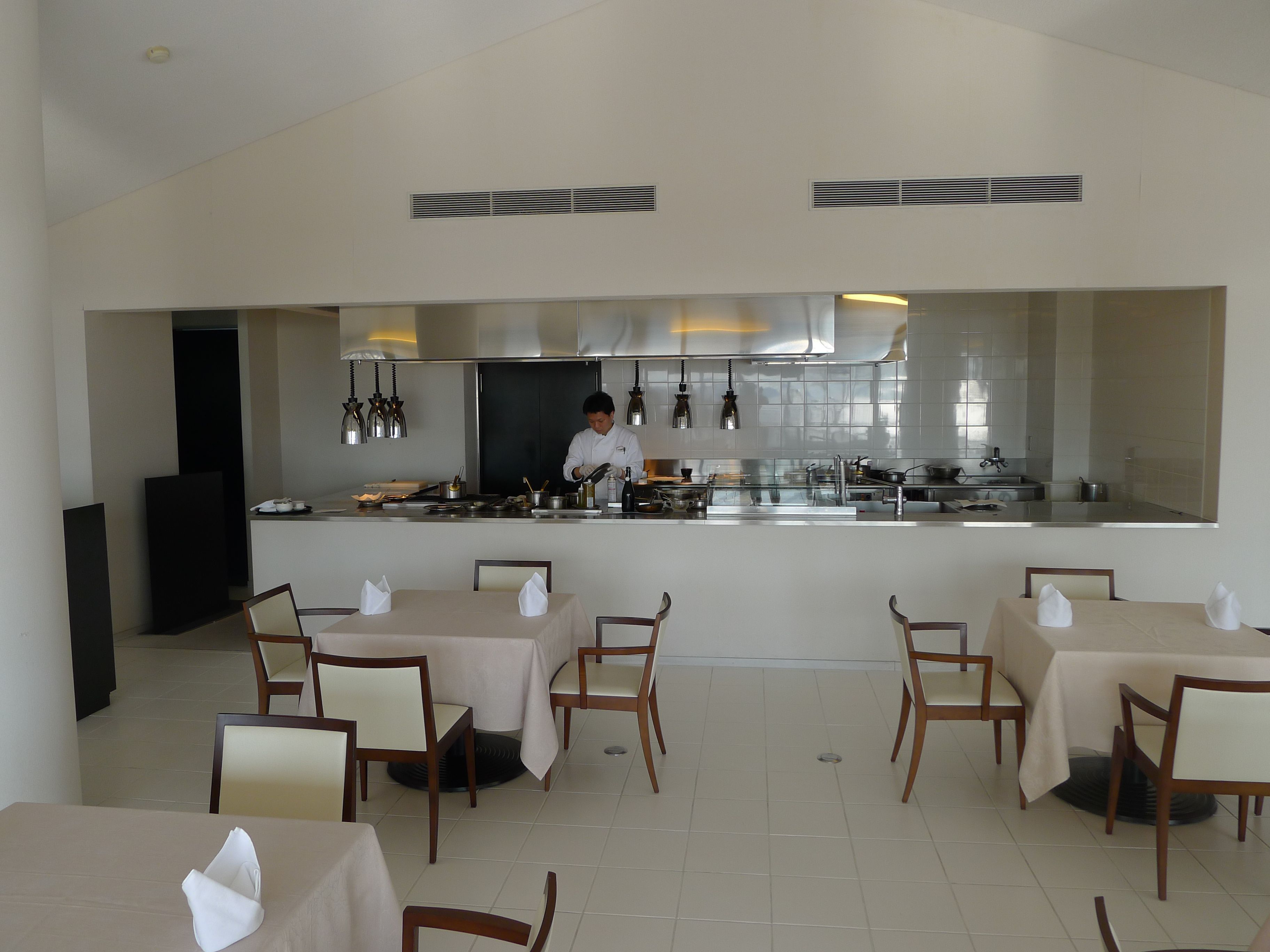
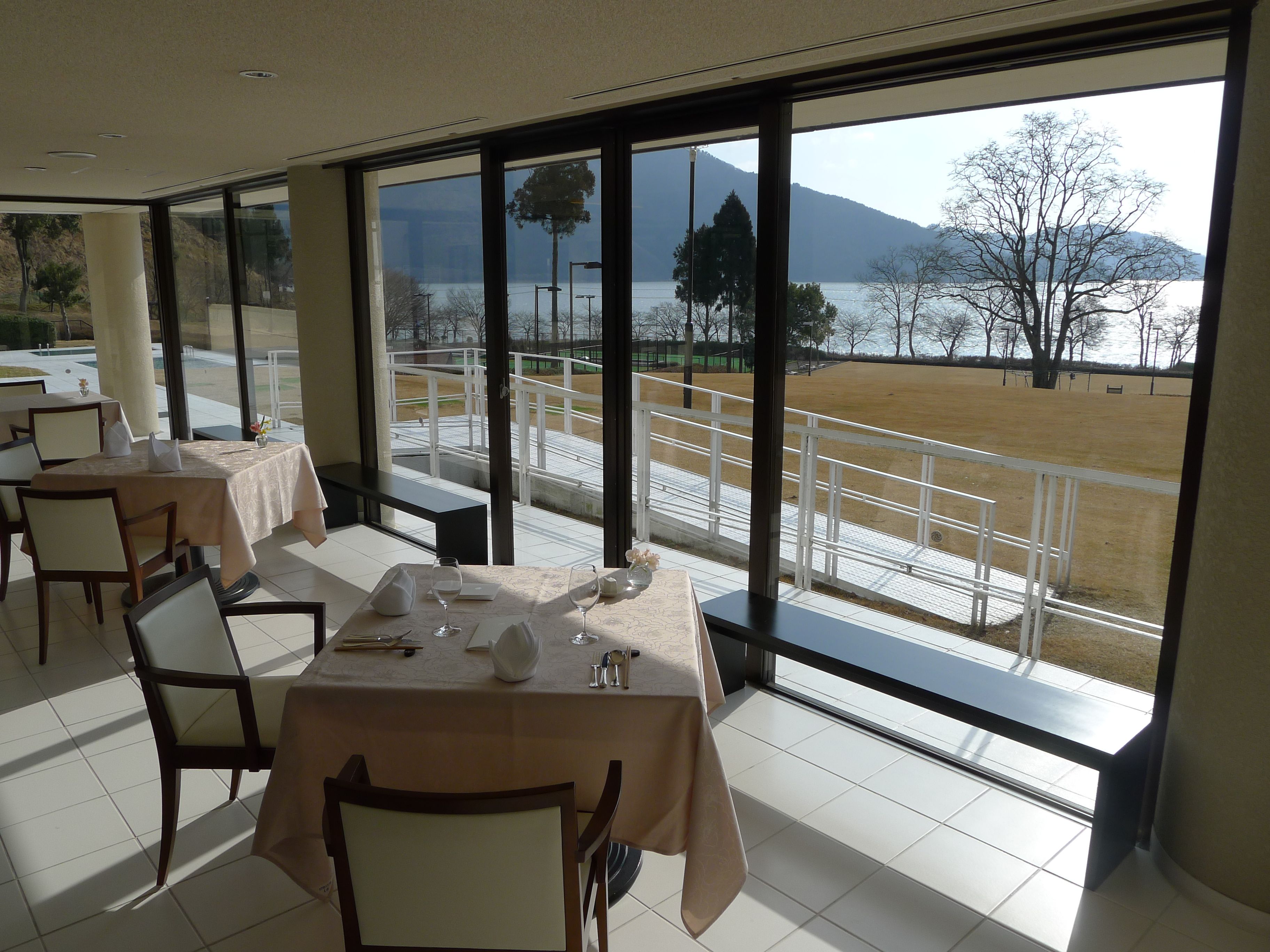

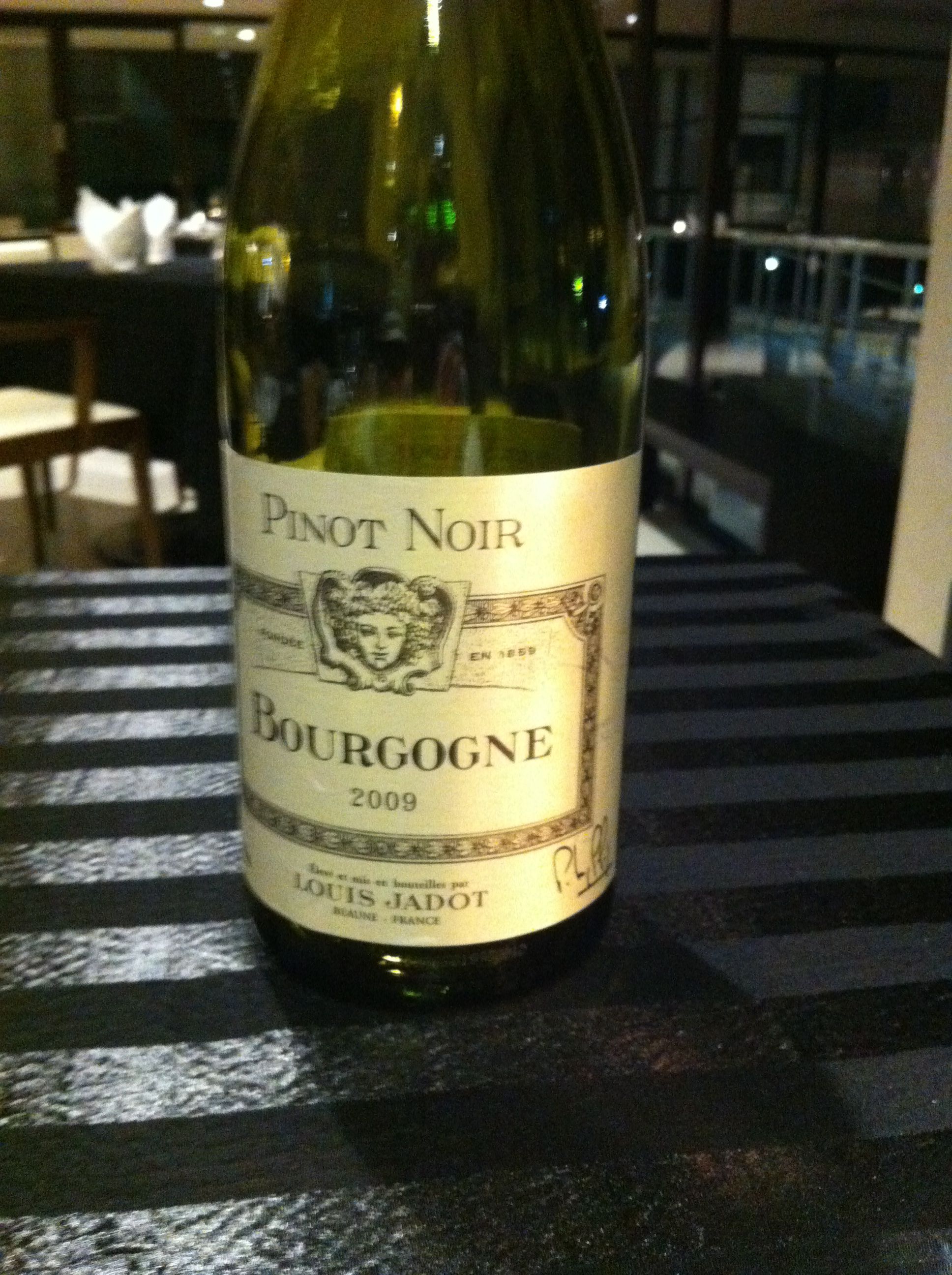
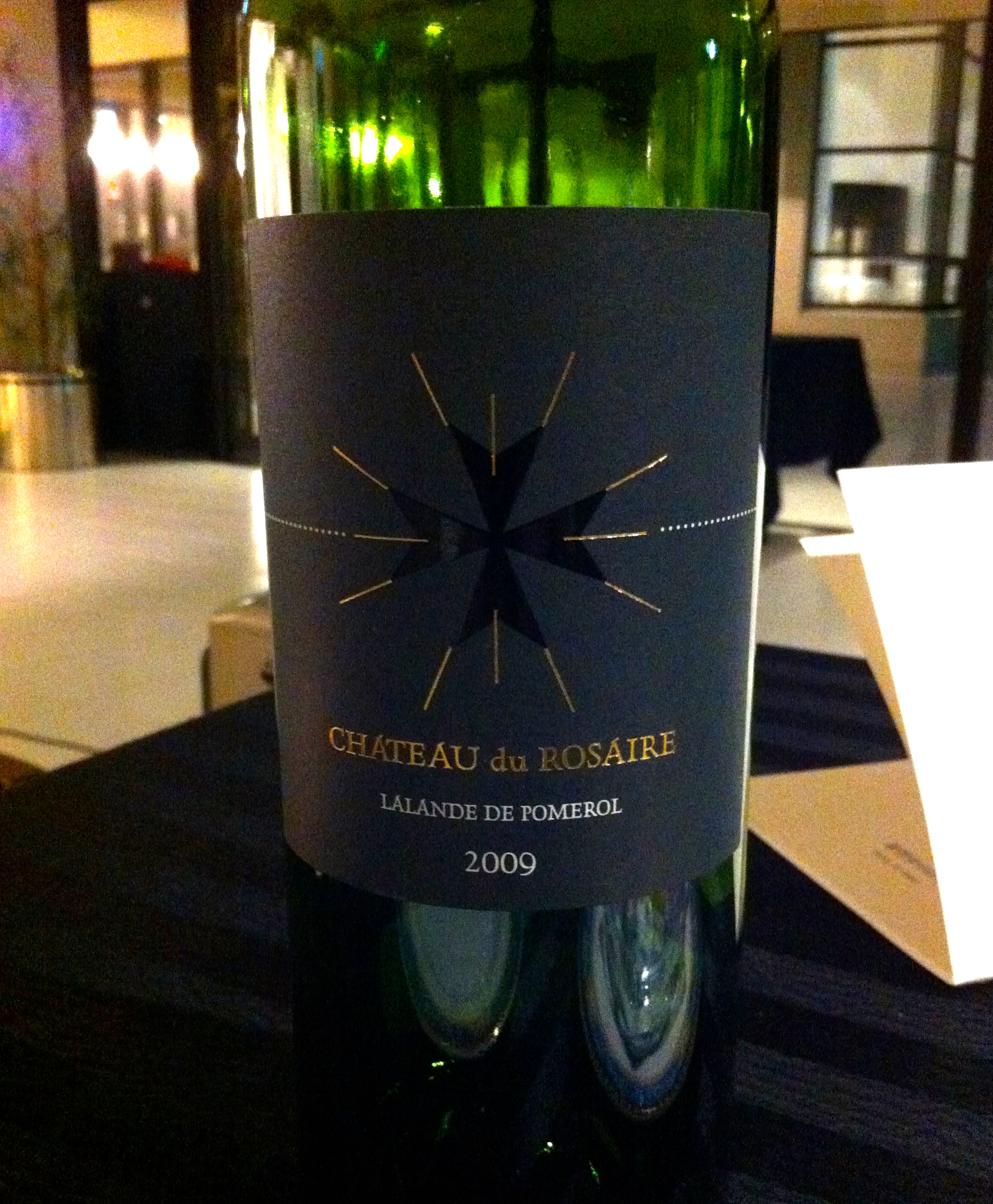
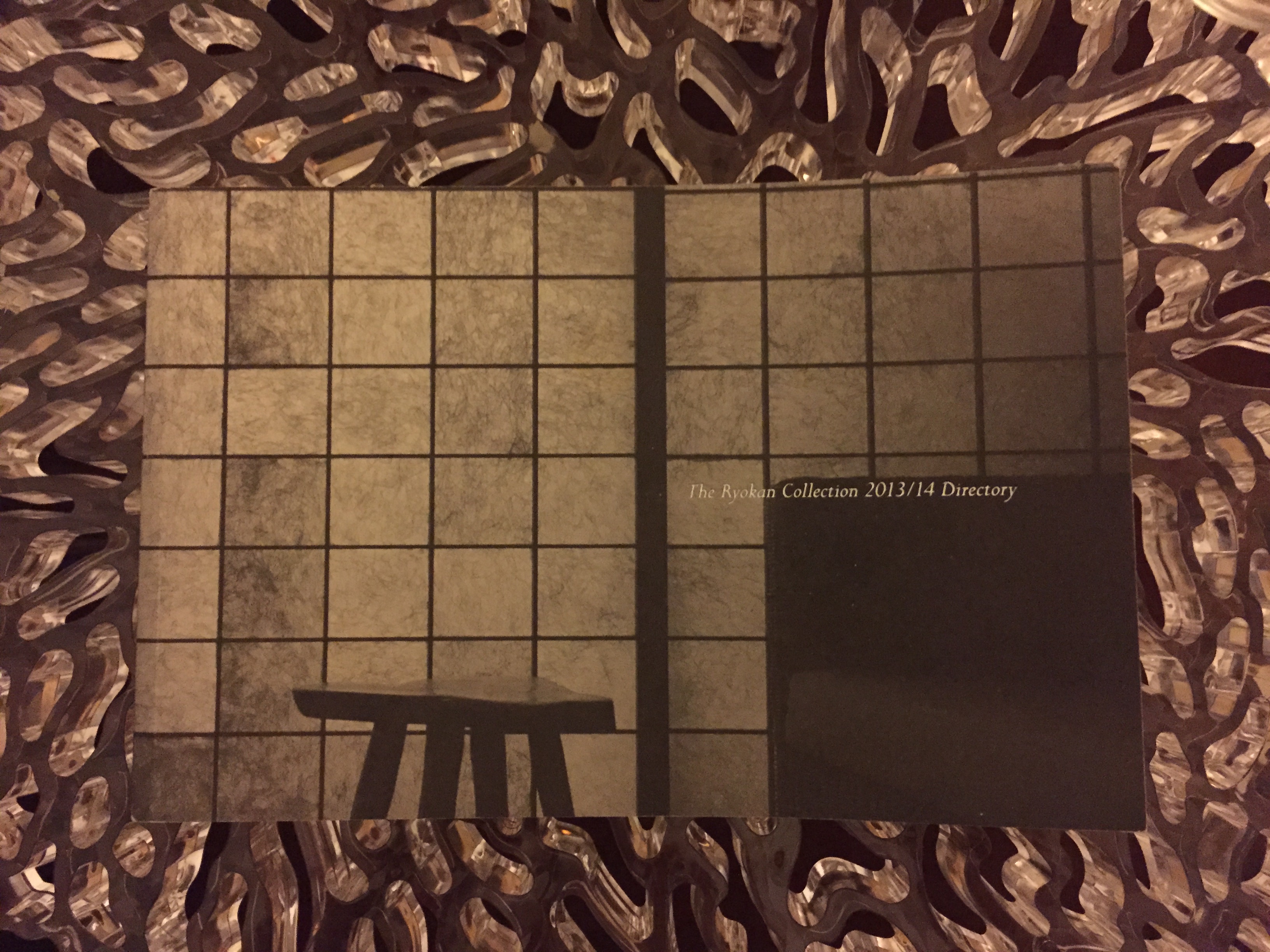
After the fantastic dinner I was quite puzzled by the whole experience and as I could not get some sleep, I started reading a book I found on the living room table – The Ryokan Collection.
Eureka, I woke up my husband to tell him that it all had come clear to me – we are in a Ryokan! I spent a few hours reading the book and trying to understand this fantastic culture of relaxation. We stupid tourists had been wondering why the web does not work properly in this remote corner of the dreamland of technology. That is because the clients are supposed to just chill out and leave the modern worlds’ blights behind.
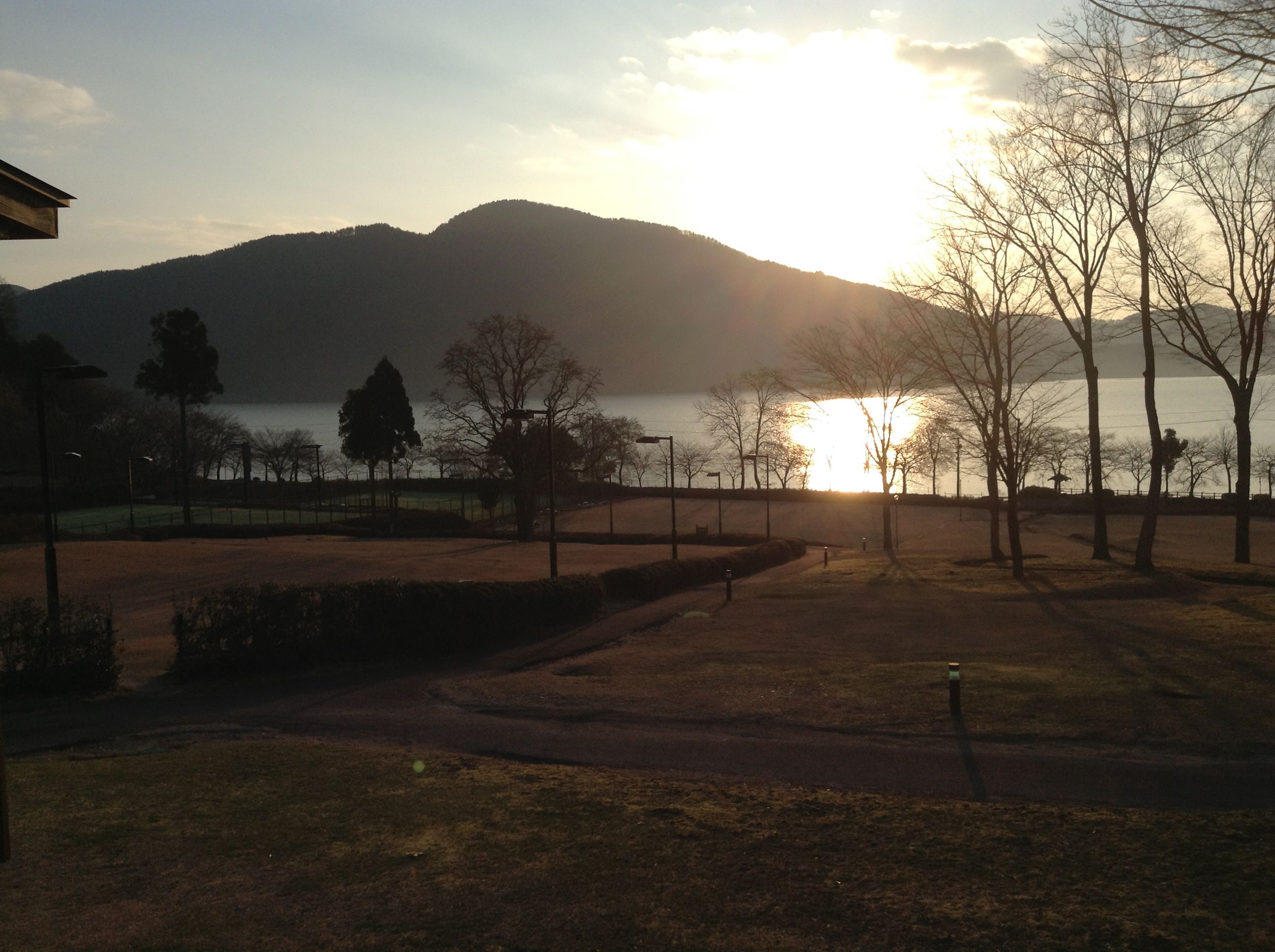
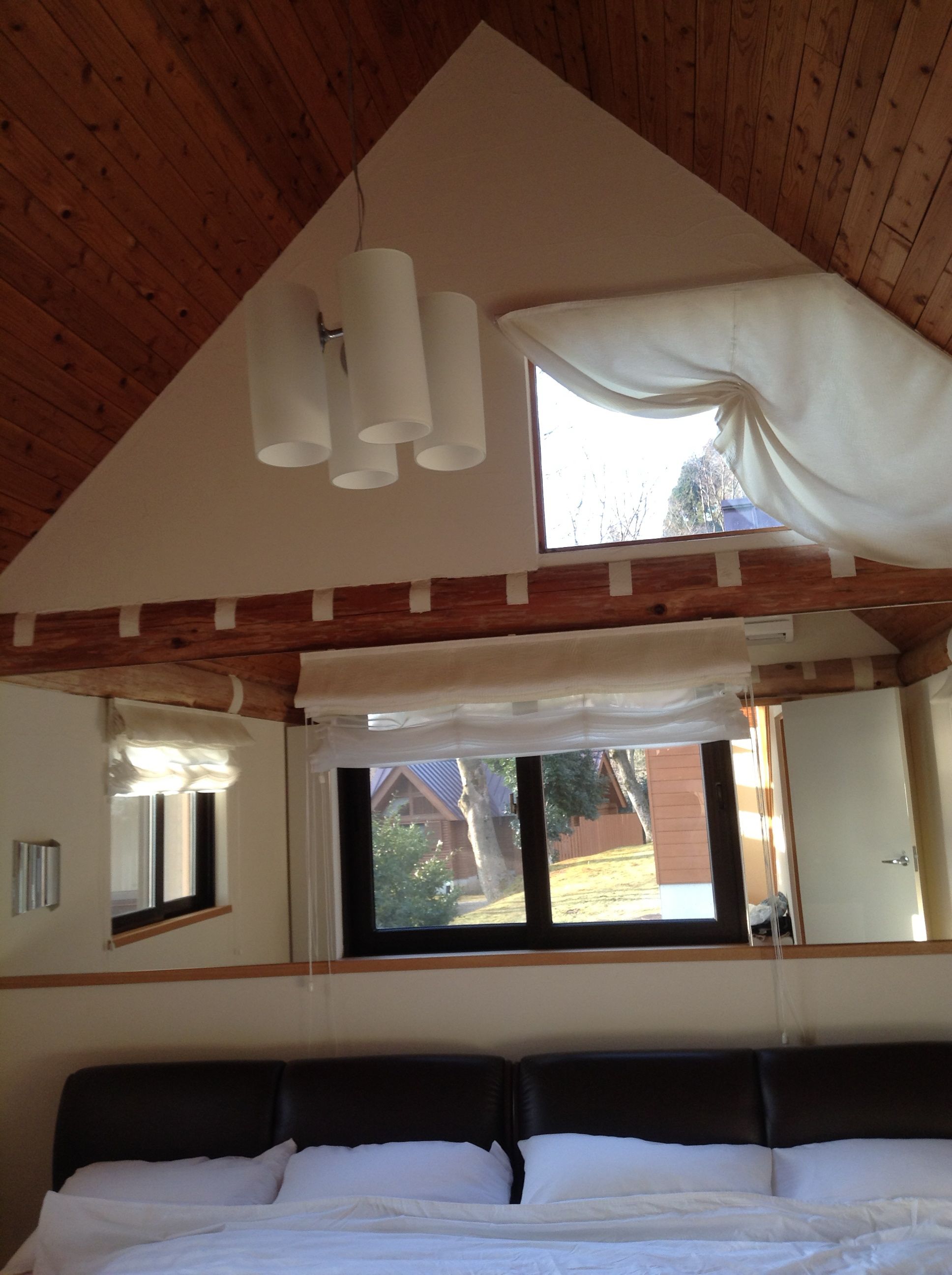
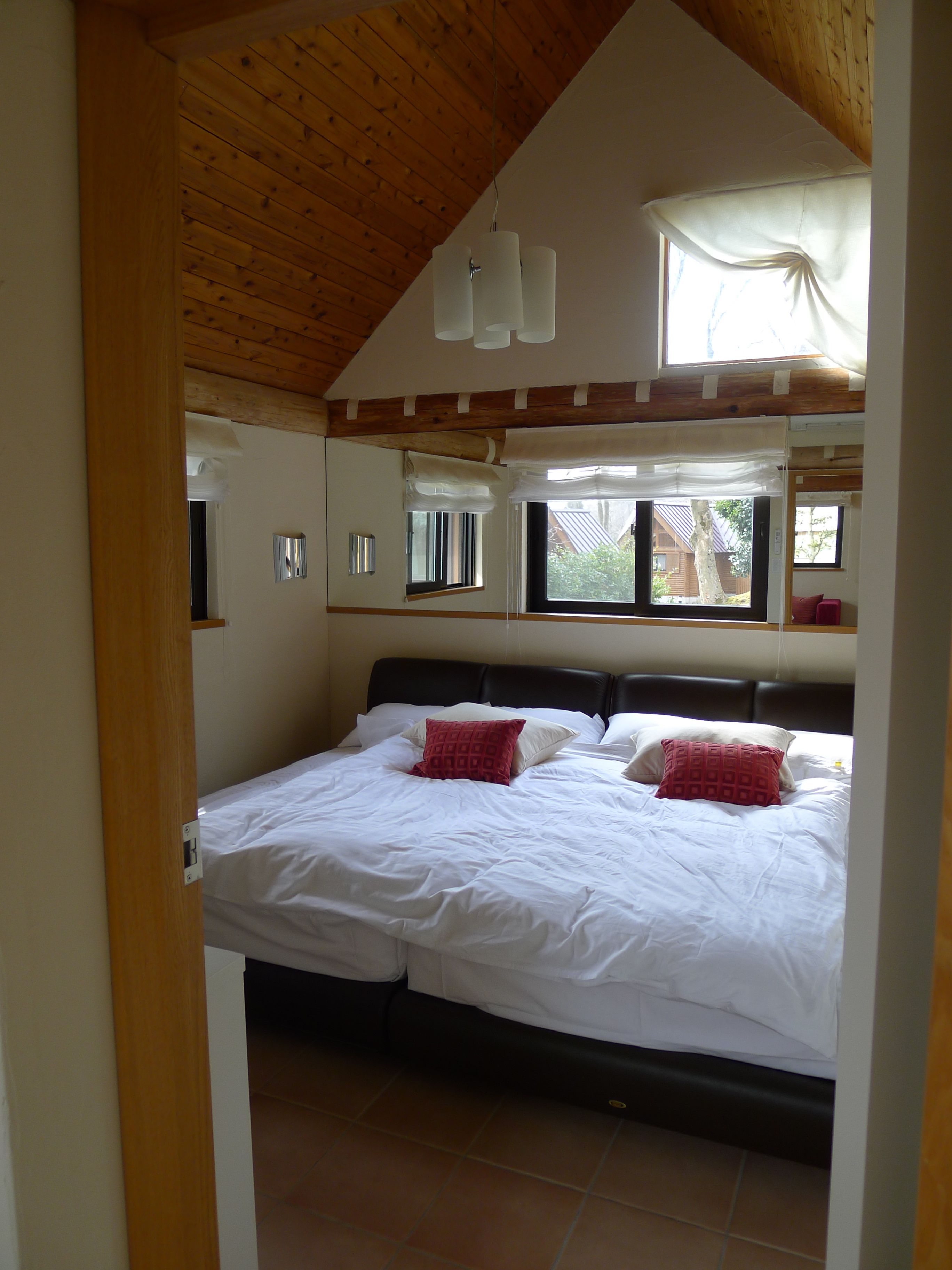
After I lay the book down and after having understood the essence of this place, I slept like a baby. And so did the whole family. The next day we followed the customs of the Ryokan. We had our fantastic relaxing breakfast at 8.30 as the custom is and finished by 10:00. The breakfast is pre set, but you get to make some choices on the list given to you while leaving dinner.
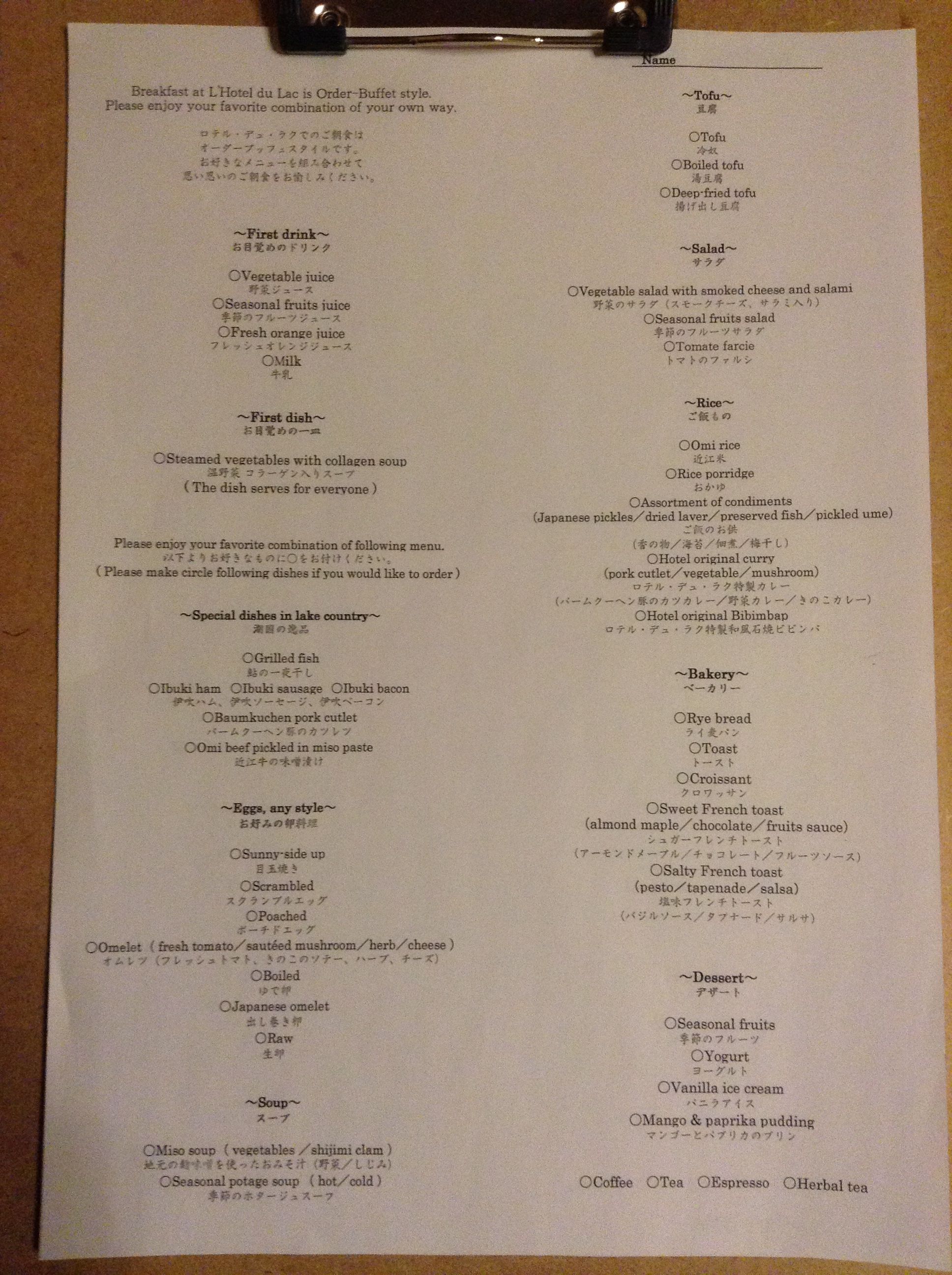
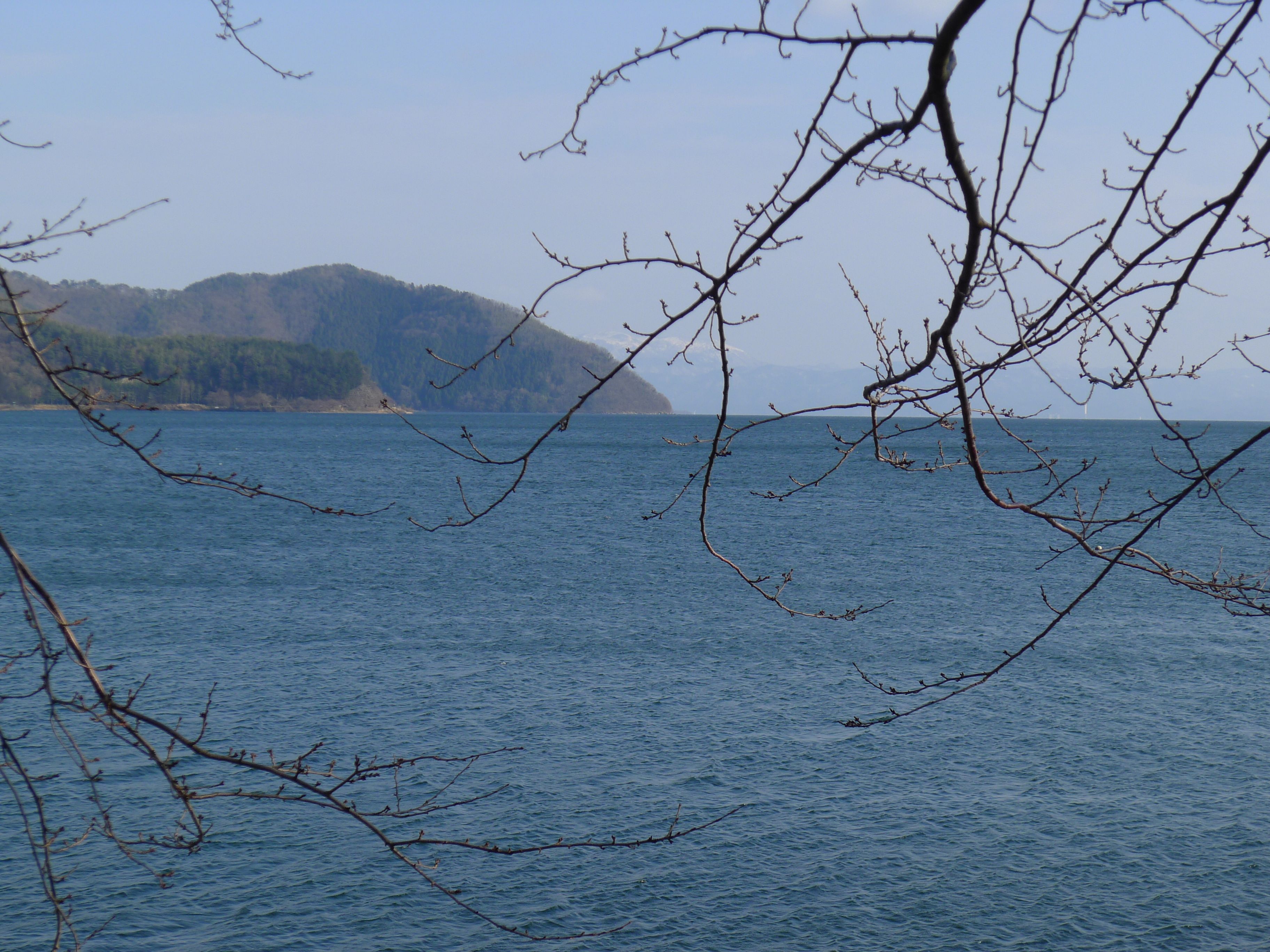
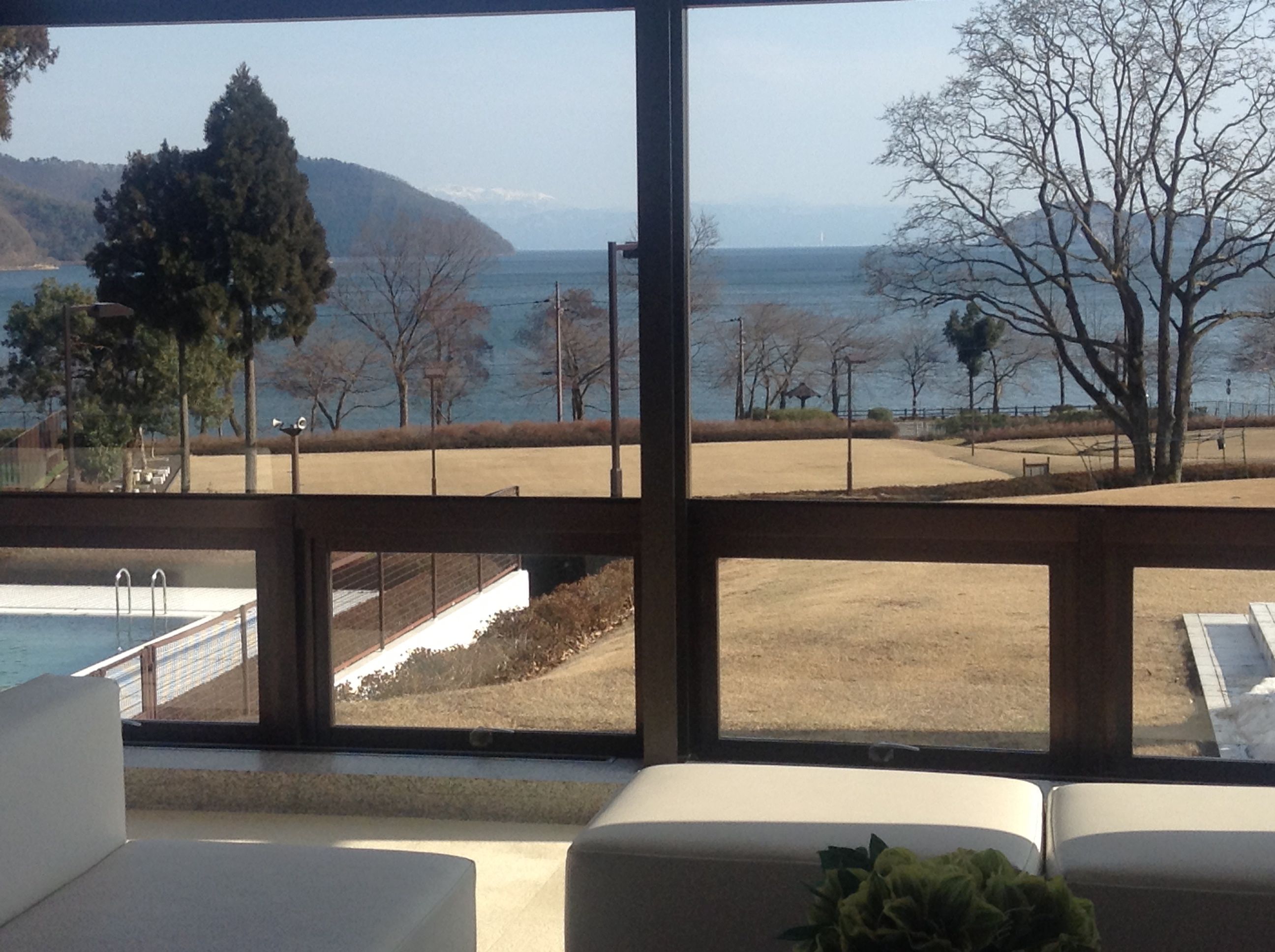
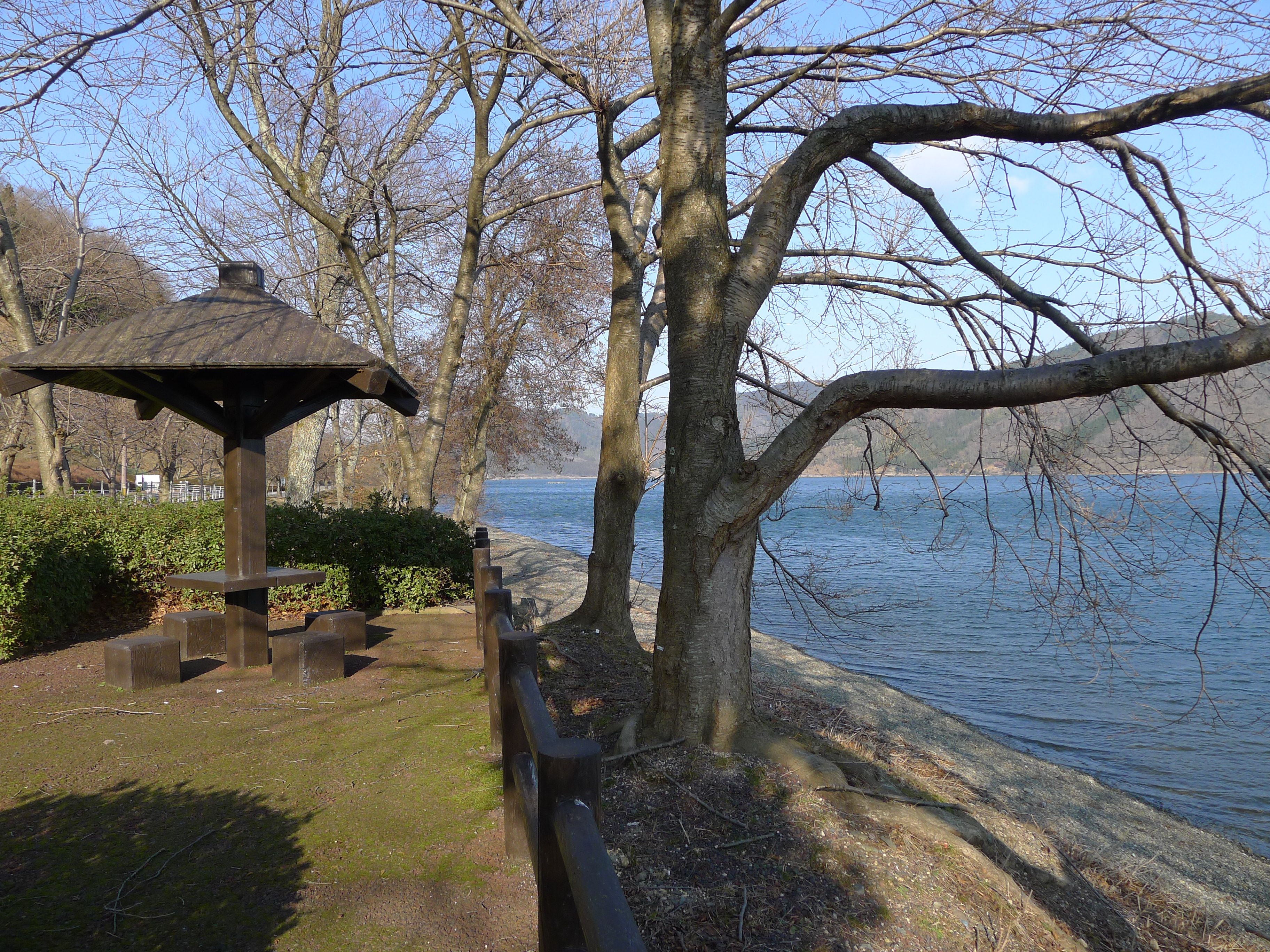
As we were tourists and stayed for two nights unlike most Japanese, we had plenty of time during the day to take a stroll by the Lake Biwa and to take a nap, which again in these surroundings felt like a two-hour unconsciousness.
When the normal Ryokan day routine started all over again, we were prepared for it. At 16:00 we had a fantastic family onsen with indescribable scenery and contrast of heat and chill – two baths, one inside and one on the terrace. This was a total relaxation that you could not resist.
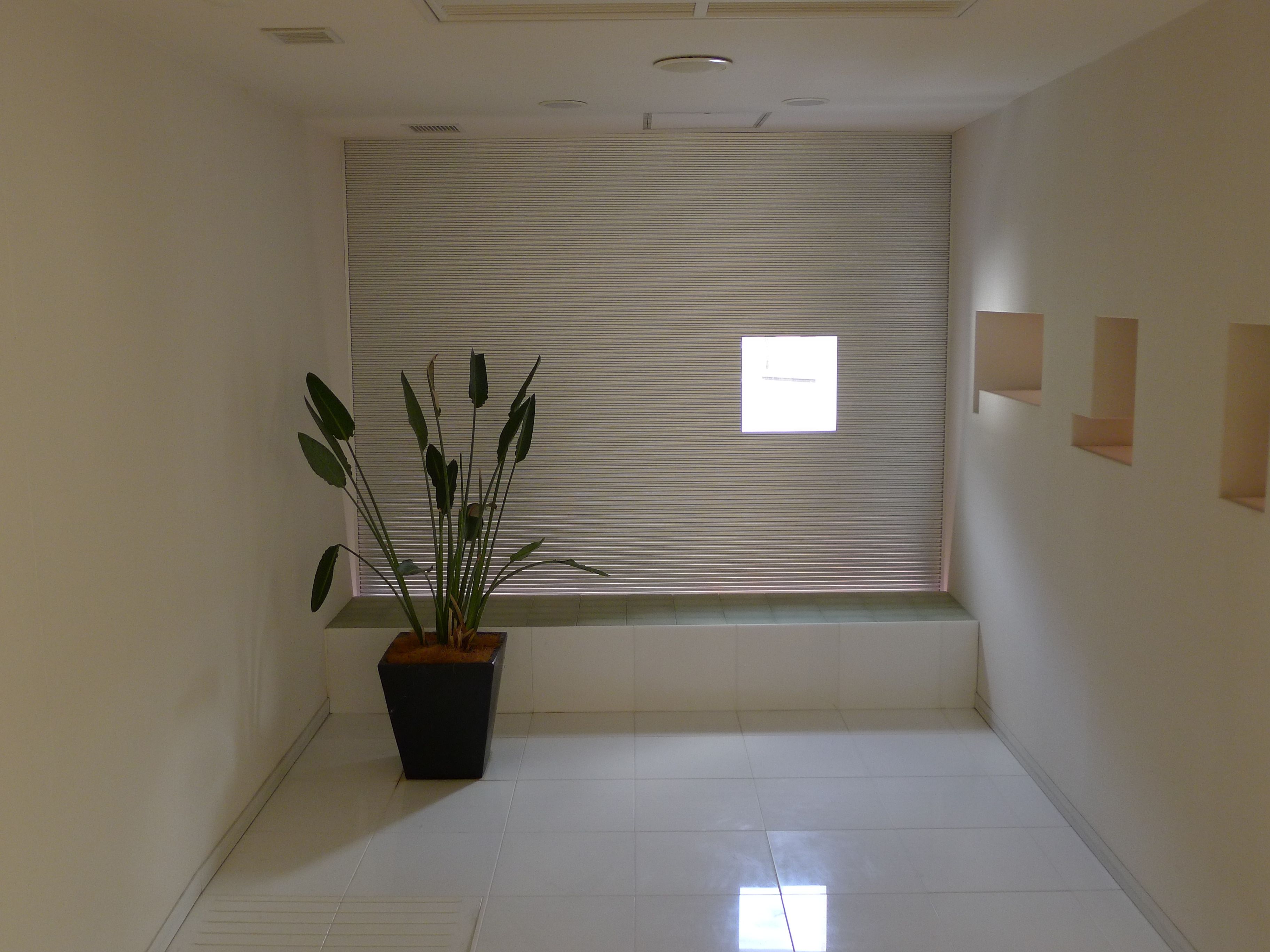
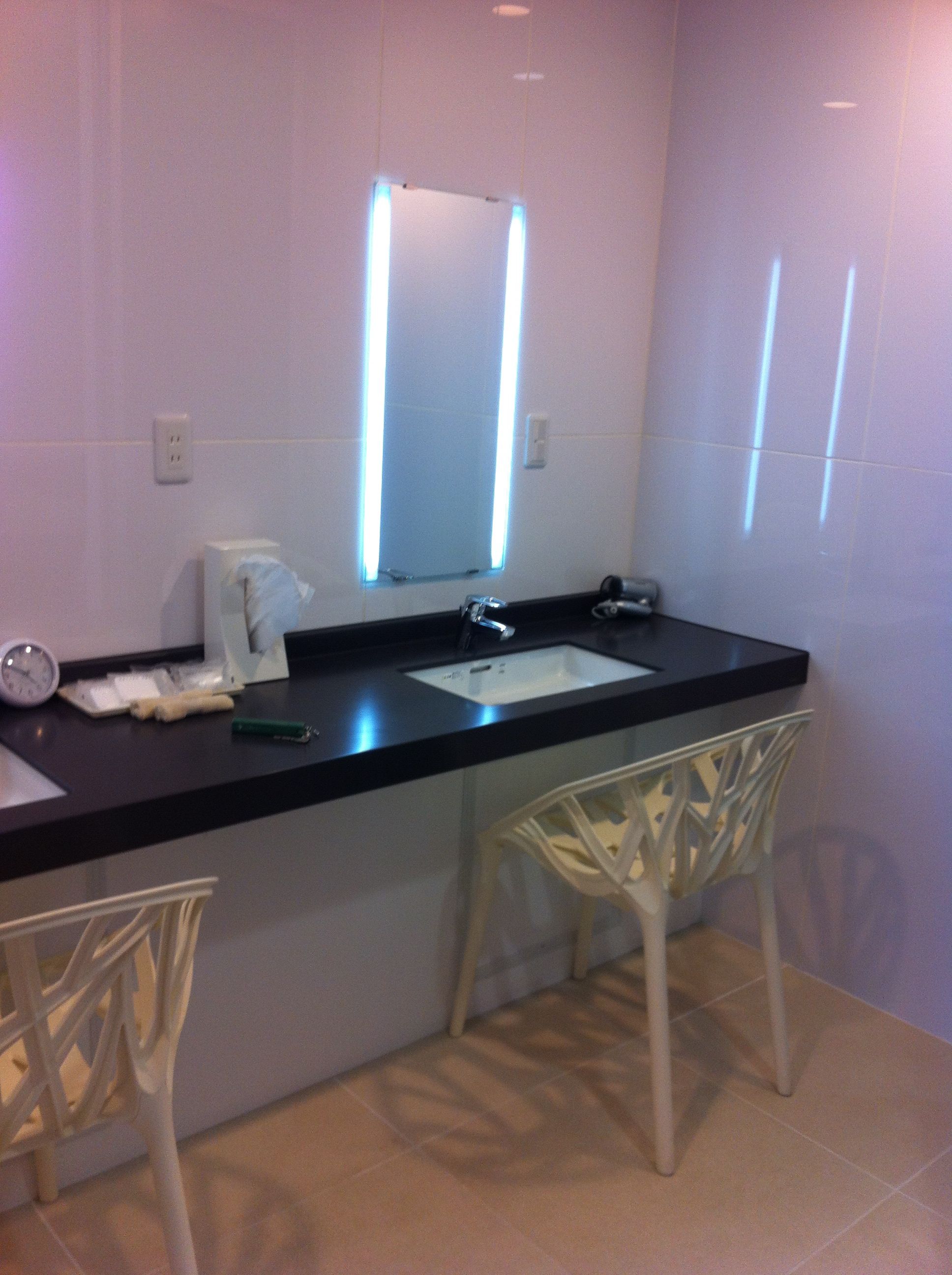
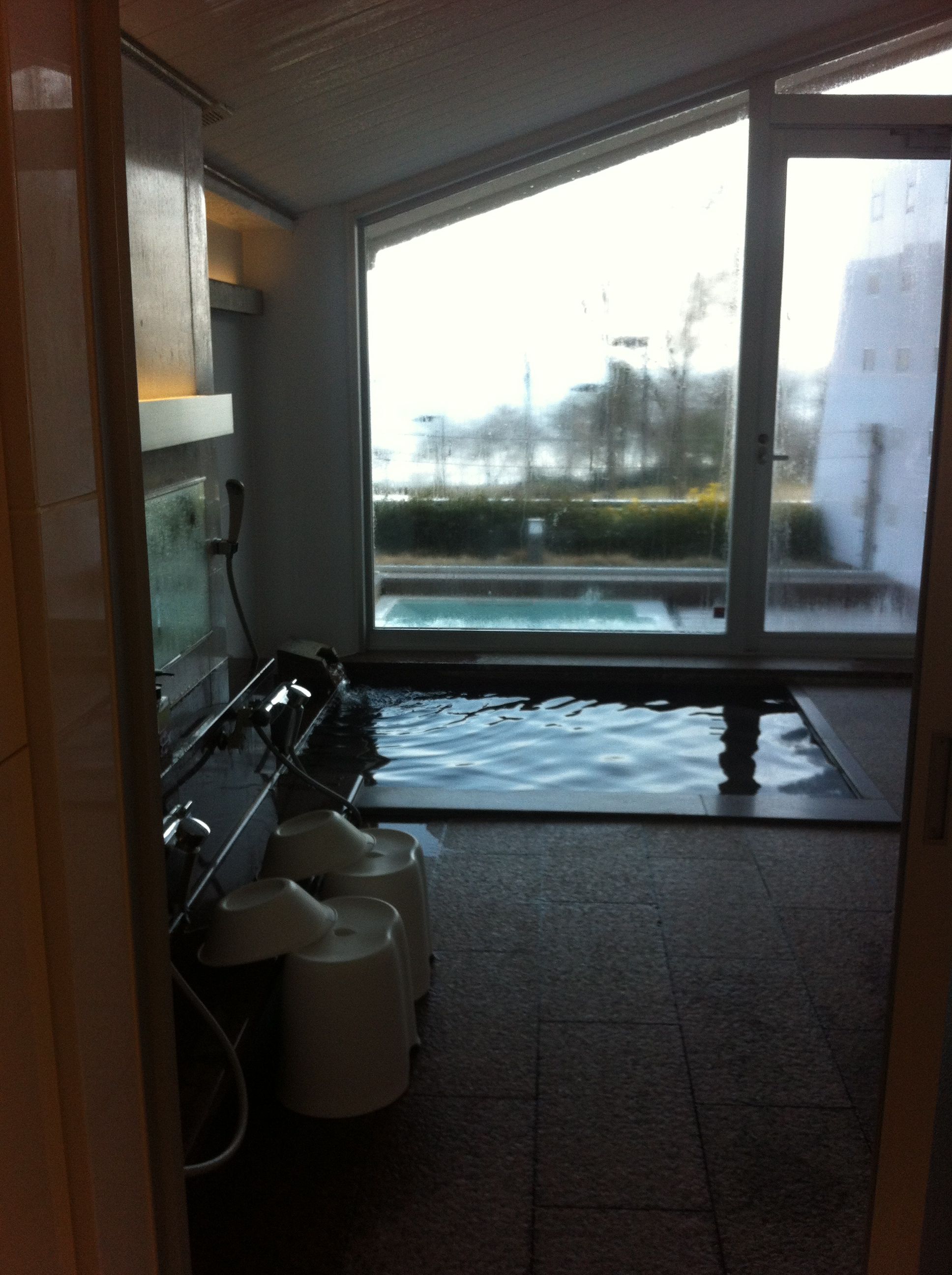
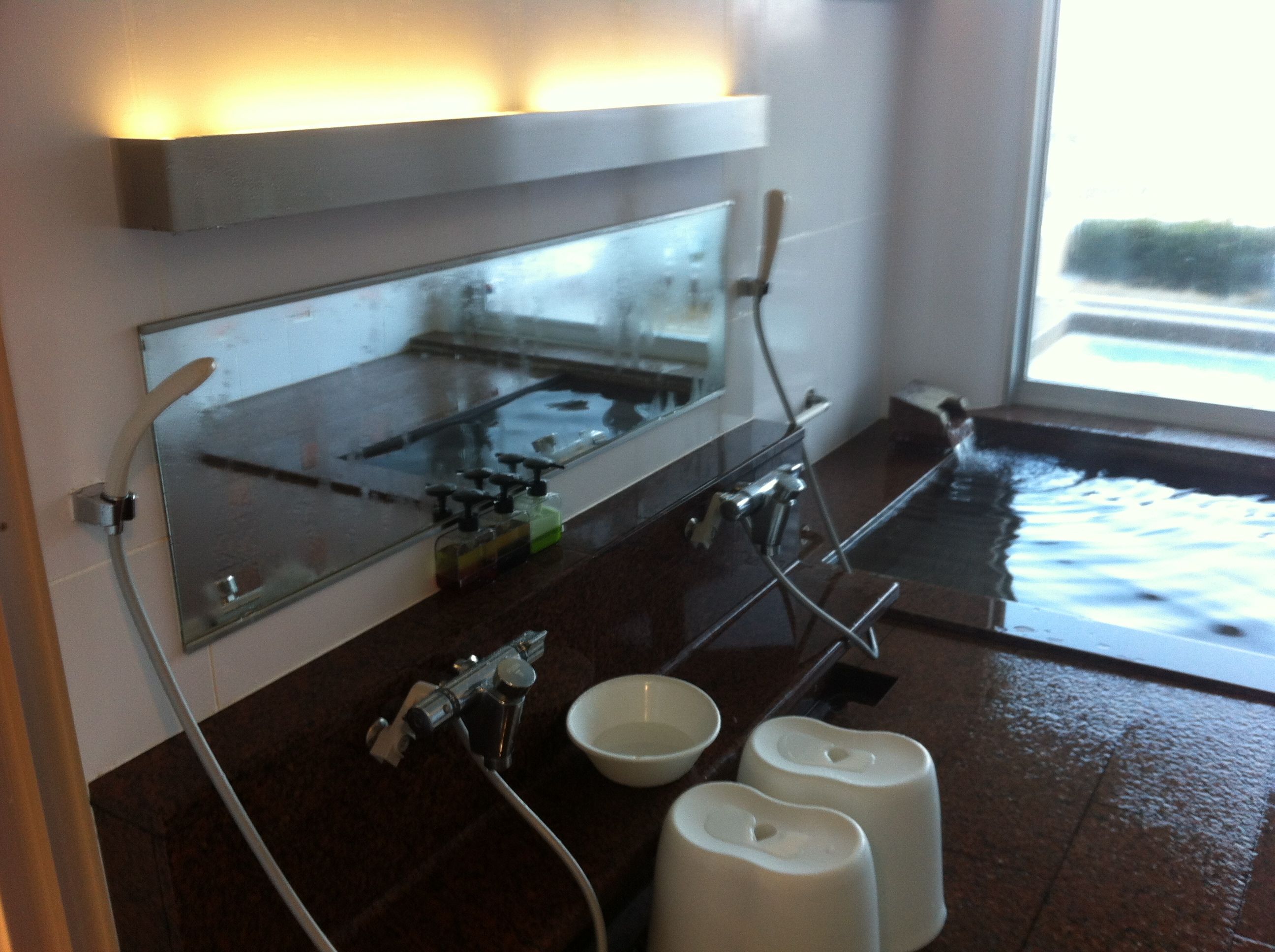
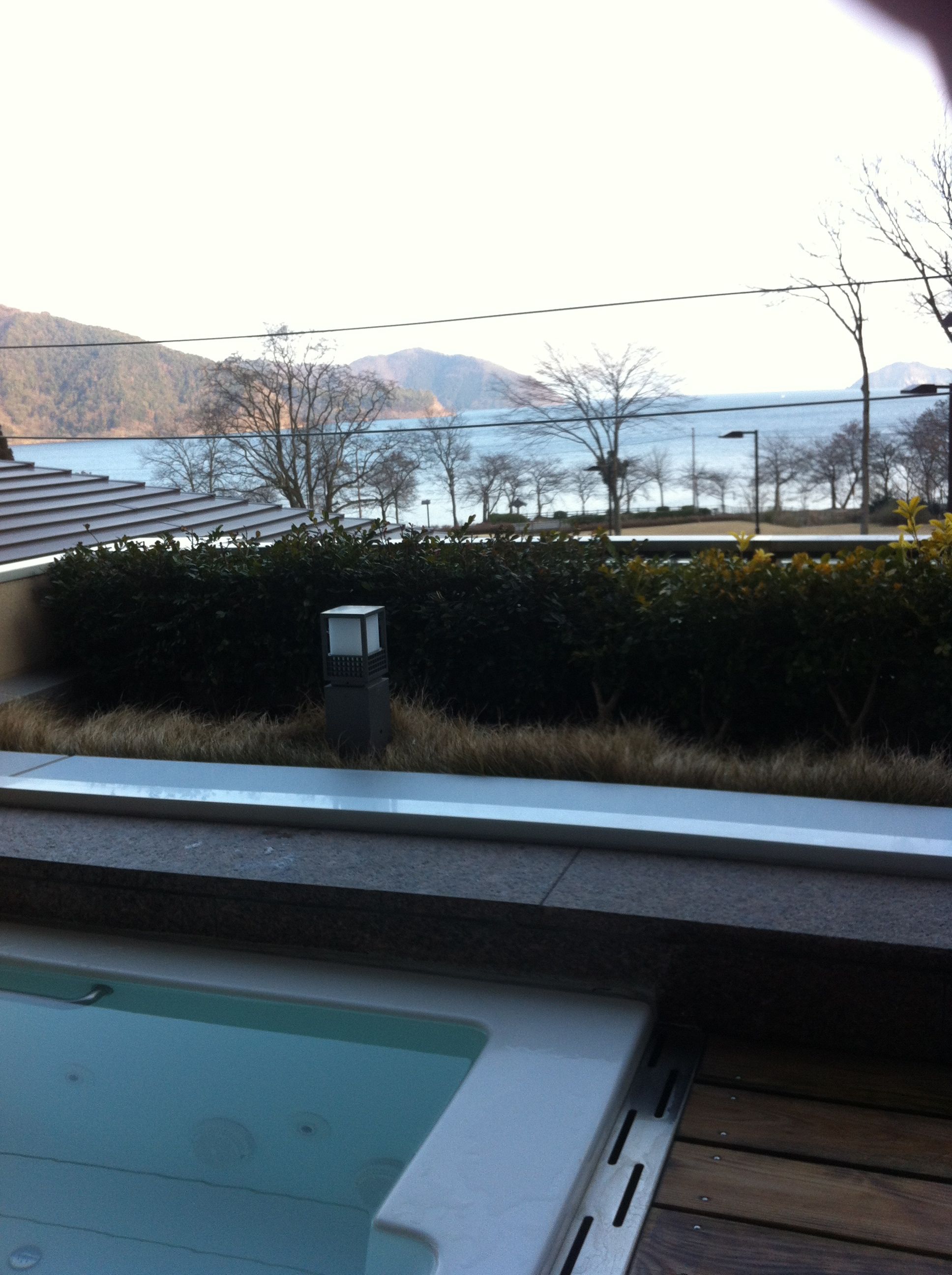

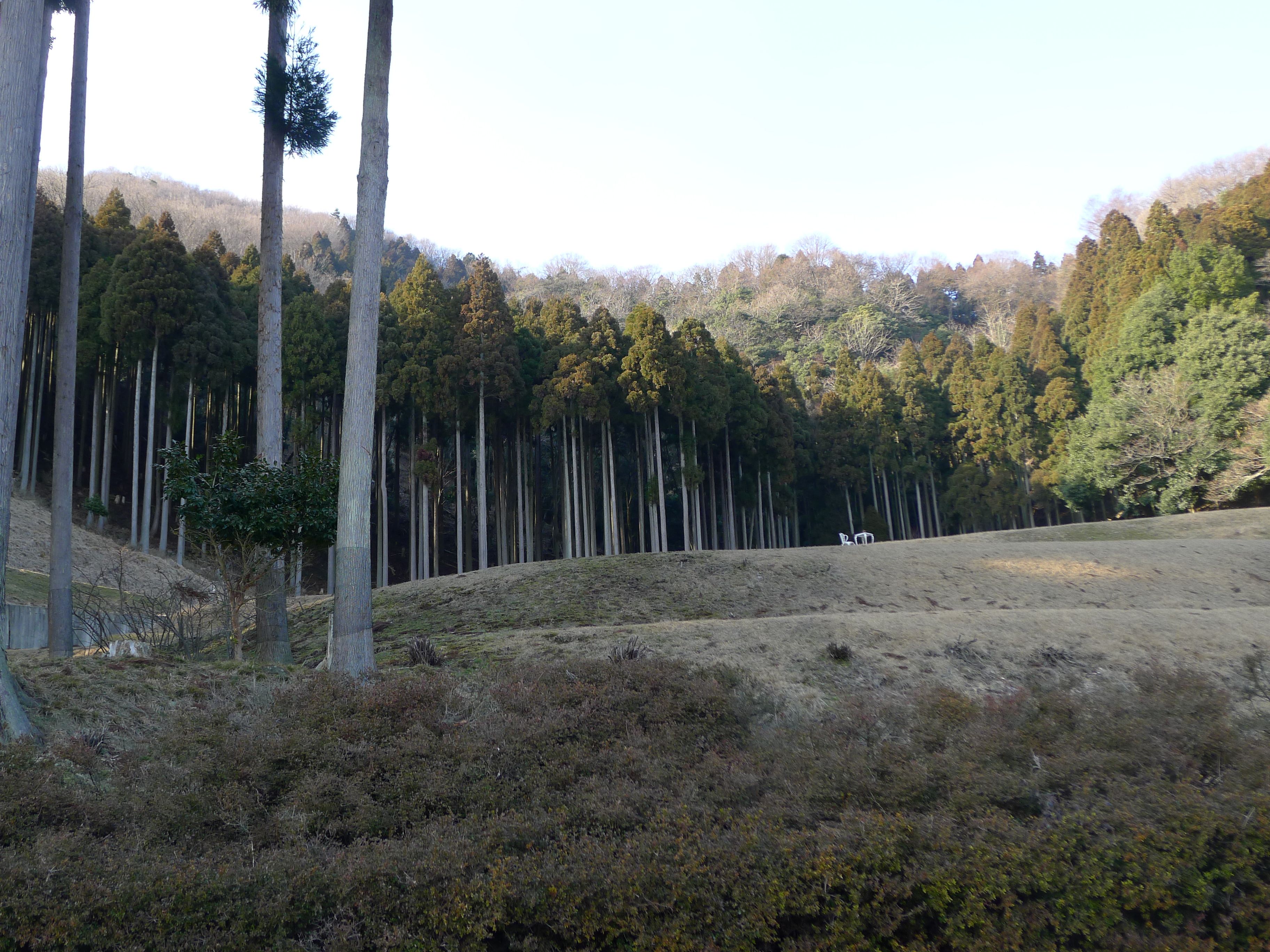
After bathing, one normally either has a moment of relaxation with a book in the library or a stroll in the garden and at 19:00 it was again time for a fantastic dinner. The dinner ends around 22:00 and after it in most Ryokans guests have a glass of splendid Japanese whiskey in the Ryokan bar.
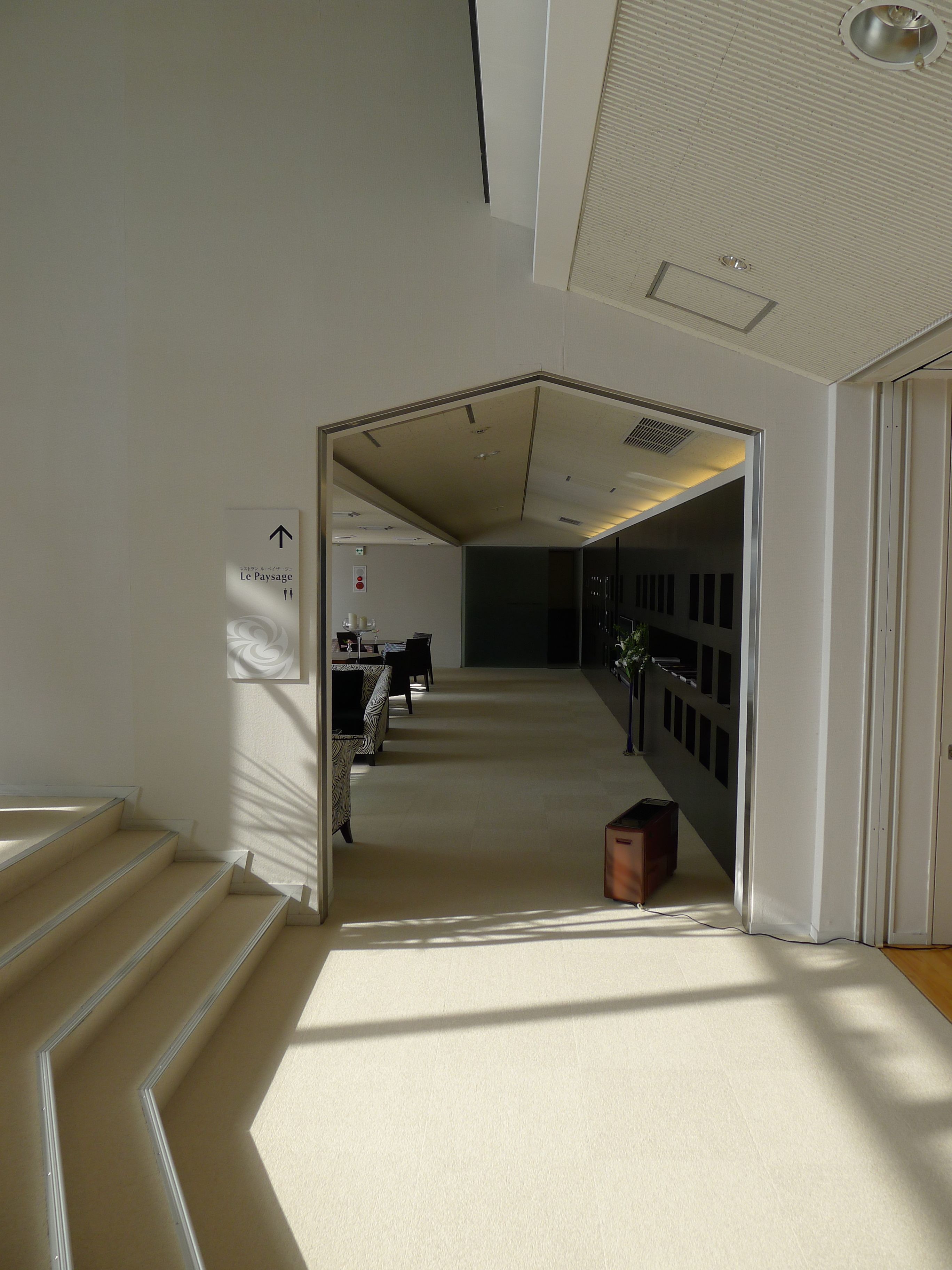
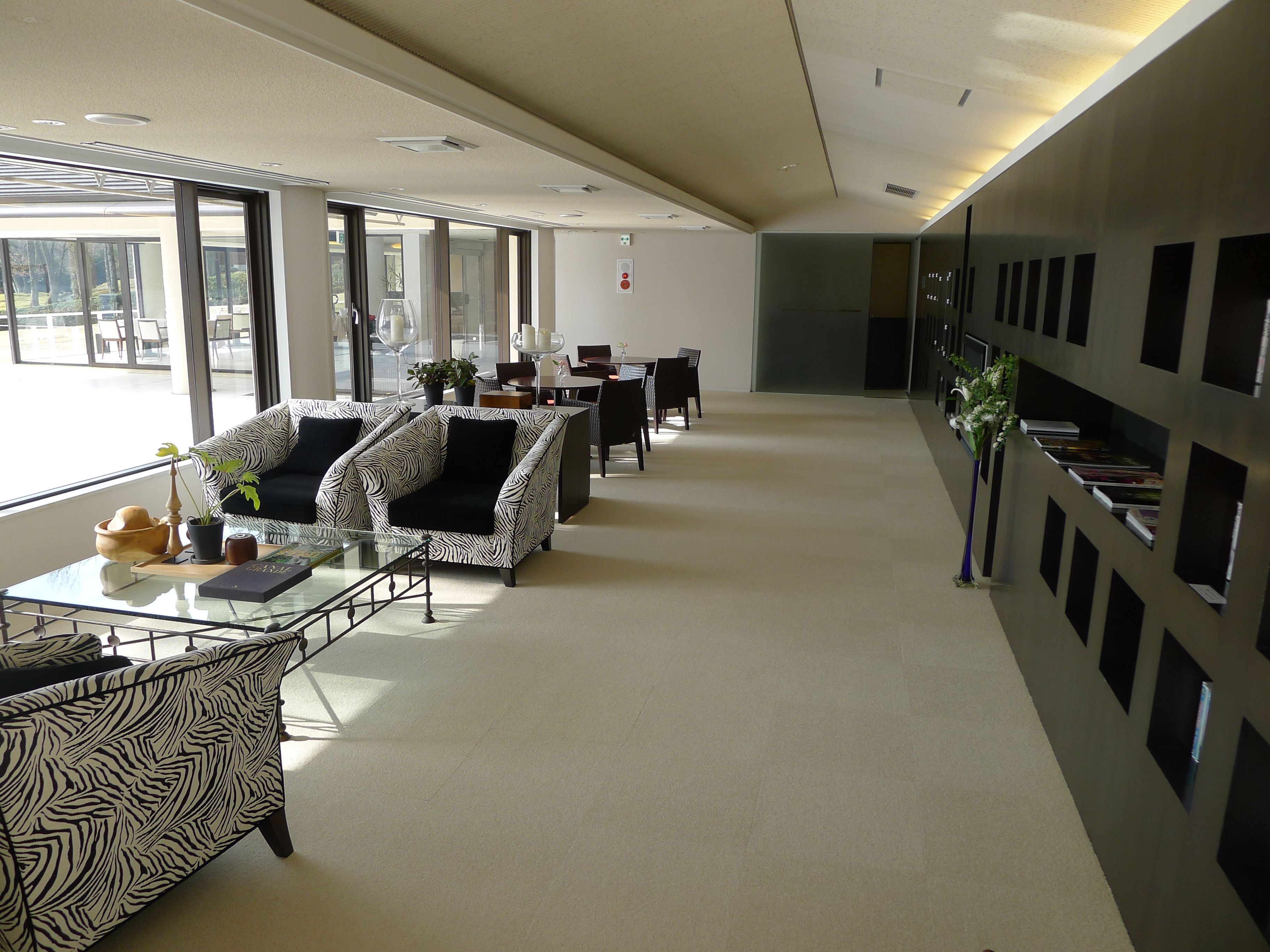




23:00 is the time for retiring to your room, even if you would feel like getting to know all the local whiskies in the bar – it does make sense ending the night early, as the wake up usually is at 7:30. And it all goes around again as it does every day in Ryokans.
The checkout is between 10:00 and 11:00 and you will be taken to the train station again as upon your arrival.
We took a local train JR Kosei Line from JR Oumi-Imazu station to Osaka instead of the Shinkansen, in order to see more of the beauty of Lake Biwa. When taken to the station, I was extremely happy to receive the Ryokan Collection book as a gift – the book that I had been reading in the room and that according to the reception could only be ordered trough web. This must have also been the first time the hotel staff has assisted us all the way to our train cabin of a local train.
I had always dreamt of visiting a Ryokan and did it by mistake, but will warmly remember this hotel experience for a long time.


 missingmiles
Leave a comment